
By the Kitchen Team | 10 min read
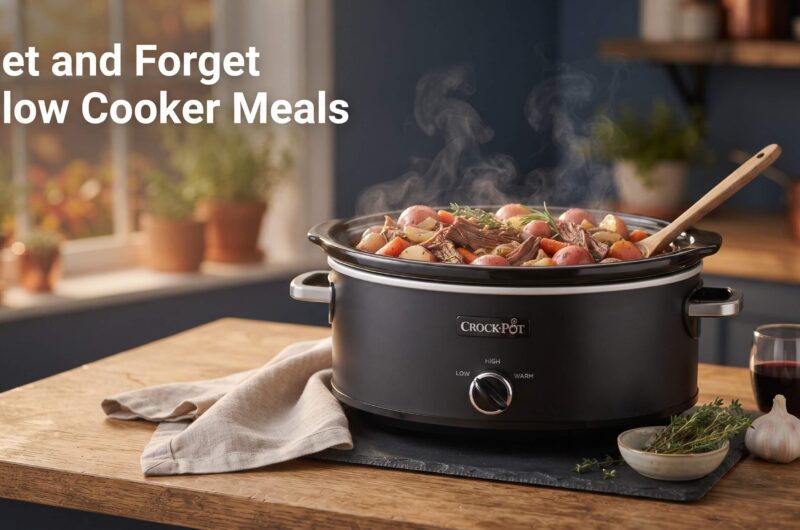
Picture this: it’s 6 p.m., you’ve just walked through the door, and the whole house already smells like dinner. Nothing is burning, nothing needs chopping, and nobody is hovering over a stove. That is the promise of set and forget slow cooker meals, and it is the reason the humble Crockpot has earned a permanent spot on kitchen counters around the world.
Whether you are juggling a full-time job, school runs, shift work, or simply a packed social calendar, slow cooker dinners give you time back. You add the ingredients in the morning, press a button, and walk away. Hours later, tough cuts of meat have turned tender, flavours have melded, and dinner is ready to serve.
In this guide, you’ll learn exactly what makes a recipe truly “set and forget,” how to use your slow cooker properly, 12 easy Crockpot meals to try this week, and the common mistakes that can ruin an otherwise perfect pot. By the end, you’ll have everything you need to make your slow cooker the hardest-working appliance in your kitchen.
What Does “Set and Forget” Really Mean?
The phrase gets thrown around a lot, but not every slow cooker recipe deserves it. A genuinely set and forget meal has a few defining traits.
First, it requires minimal prep, ideally ten to fifteen minutes or less. Second, everything goes into the pot at once, with no browning in a separate pan, no adding ingredients in stages, and no stirring every hour. Third, it is forgiving. If you get stuck in traffic and the meal cooks an extra thirty minutes, it should still taste great. Finally, it uses ingredients that suit long, gentle cooking, such as tougher cuts of meat, hearty vegetables, beans, and grains that hold their shape.
Recipes that call for delicate fish, fresh pasta, or cream-based sauces added at the start usually fall short of this standard. They can still be made in a slow cooker, but they demand more attention. The recipes below are chosen specifically because you can load them up and leave them alone.
Why Slow Cooker Meals Are Worth Your Time
There are plenty of reasons home cooks swear by their Crockpots.
They save time and mental energy. The hardest part of weeknight cooking is often the decision-making and the last-minute scramble. A slow cooker removes both. Dinner is decided and in progress before the day truly begins.
They are budget-friendly. Slow cooking turns inexpensive cuts like chuck roast, pork shoulder, and chicken thighs into tender, flavourful meals. Dried beans and lentils also cook beautifully, stretching your grocery budget further.
They use little energy. Most slow cookers draw about as much power as a light bulb or two, so they cost far less to run than a conventional oven over several hours.
They keep your kitchen cool. In summer, there is no need to heat the whole house just to cook dinner.
They make leftovers and meal prep easy. Most slow cooker recipes serve four to eight people, which means lunches for tomorrow or a freezer-friendly batch for next month.
Slow Cooker Basics Every Beginner Should Know
Before diving into recipes, a few fundamentals will make every meal better.
Choose the Right Size
A slow cooker works best when it is between half and two-thirds full. Too little food can overcook or burn, while an overfilled pot may not cook evenly or safely. A 6-quart model suits most families of four to six. For couples or singles, a 3- to 4-quart pot is plenty.
Low vs. High: Which Setting Should You Use?
Low and high generally reach the same final temperature; the difference is how long it takes to get there. As a rough guide, one hour on high equals about two hours on low. For set and forget cooking, the low setting is usually the best choice. It is gentler, more forgiving, and ideal for anything you plan to leave for eight hours or more. Use high when you are short on time or cooking something that benefits from a quicker finish.
Resist the Urge to Peek
Every time you lift the lid, heat escapes, and it can take up to twenty minutes to recover. Unless a recipe tells you otherwise, leave the lid on. “If you’re looking, it ain’t cooking” is an old saying for a good reason.
Go Easy on the Liquid
Unlike stovetop cooking, a slow cooker traps moisture, and meat and vegetables release their own juices. Most recipes need far less liquid than you would expect, often just a cup or so. Too much liquid leads to watery, bland sauces.
Layer Smartly
Place dense, slow-cooking vegetables such as potatoes and carrots at the bottom, where they sit closest to the heat. Put the meat on top, and add quick-cooking or delicate ingredients near the end if the recipe allows.
12 Easy Set and Forget Slow Cooker Meals
Here are twelve dependable Crockpot dinners that earn the “set and forget” label. Each one takes only a few minutes of prep.
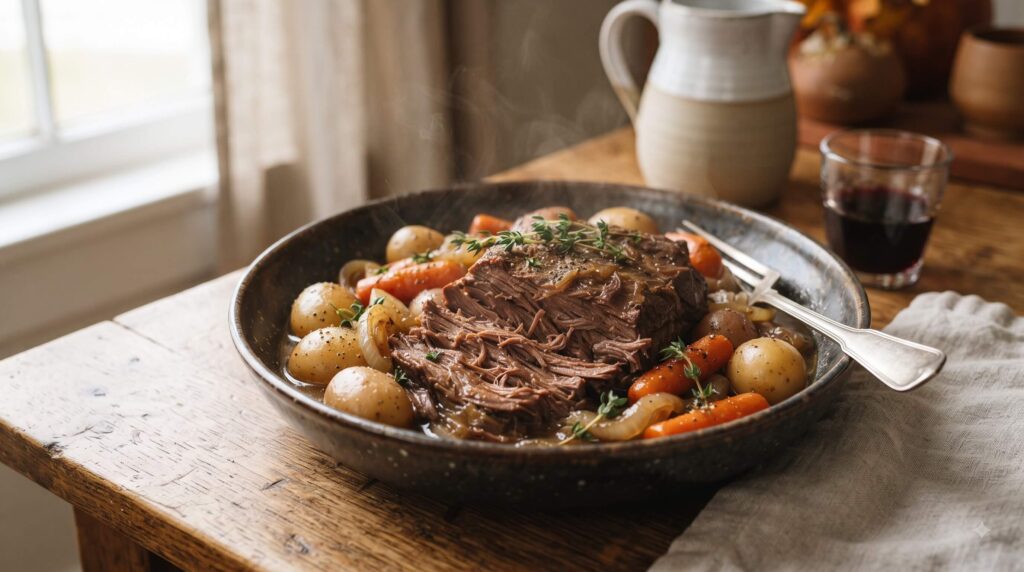
1. Classic Pot Roast with Vegetables
A pot roast is the original slow cooker meal. Place a 3 to 4 pound chuck roast in the pot, surround it with baby potatoes, carrots, and onion wedges, then add a cup of beef broth, a spoonful of tomato paste, garlic, and a few sprigs of thyme. Cook on low for 8 to 10 hours. The meat should shred easily with a fork, and the vegetables soak up all that savoury flavour.
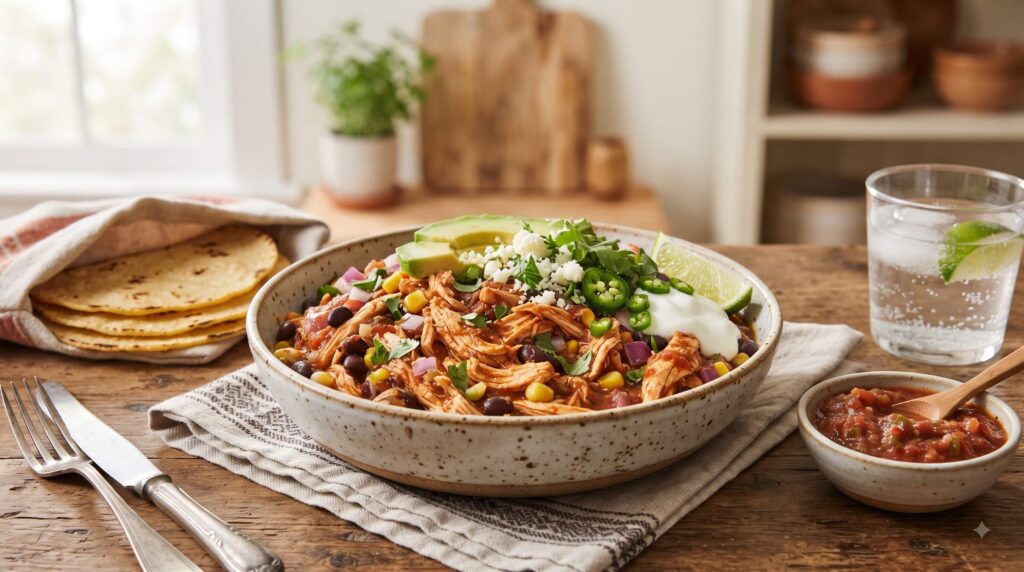
2. Salsa Chicken
This is the ultimate dump-and-go recipe. Add boneless chicken breasts or thighs, a jar of your favourite salsa, a can of black beans, and a cup of corn. Cook on low for 6 to 8 hours, then shred and serve in tacos, burrito bowls, quesadillas, or over rice. It uses only a handful of ingredients and works for lunches all week.
3. Pulled Pork
Rub a 3 to 4 pound pork shoulder with brown sugar, smoked paprika, garlic powder, salt, and pepper. Set it on a bed of sliced onions, add half a cup of apple cider vinegar or broth, and cook on low for 8 to 10 hours. Shred the pork, stir it into its juices, and pile it onto buns with coleslaw. Pulled pork also freezes exceptionally well.
4. Beef and Bean Chili
Chili might be the most forgiving slow cooker meal of all. Combine ground beef (browned first for the best flavour, or add it raw for a true no-fuss approach), canned tomatoes, kidney beans, onion, bell pepper, chili powder, cumin, and a little salt. Cook on low for 6 to 8 hours. Top with cheese, sour cream, or chopped coriander. It tastes even better the next day.
5. Creamy Chicken and Rice Soup
Combine chicken breasts, chopped carrots, celery, onion, garlic, chicken broth, and herbs. Cook on low for 6 to 7 hours, shred the chicken, and stir in cooked rice or noodles just before serving. Adding the starch at the end prevents it from turning mushy, which keeps the dish feeling fresh and comforting.
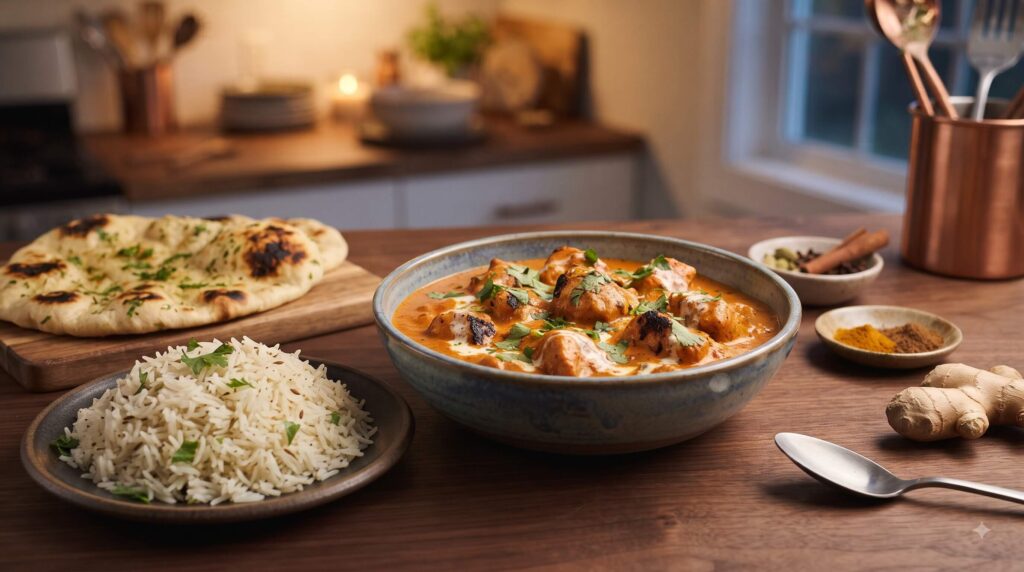
6. Slow Cooker Butter Chicken
This crowd-pleaser delivers restaurant-style flavour with almost no effort. Toss bite-sized chicken thigh pieces with tomato puree, garlic, ginger, garam masala, turmeric, and a little chilli. Cook on low for 5 to 6 hours, then stir in cream or coconut milk at the end. Serve over basmati rice with warm naan.
7. Lentil and Vegetable Curry
For a budget-friendly vegetarian option, combine red or brown lentils, diced tomatoes, coconut milk, onion, garlic, curry powder, and vegetable broth. Cook on low for 6 to 8 hours. Lentils break down into a thick, creamy texture without any soaking, making this a nutritious, high-protein dinner that costs very little.
8. Honey Garlic Chicken Thighs
Whisk together soy sauce, honey, minced garlic, and a splash of rice vinegar. Pour it over bone-in or boneless chicken thighs and cook on low for 4 to 6 hours. The sauce turns sticky and glossy, especially if you reduce it in a small pan for a few minutes at the end. Serve with steamed broccoli and rice.
9. Italian Beef Sandwiches
Place a chuck or round roast in the pot with a jar of pepperoncini and its juice, a packet of Italian dressing mix, and a cup of beef broth. Cook on low for 8 hours, shred the meat, and serve it on crusty rolls with provolone. It feeds a crowd and requires virtually no prep.
10. Hearty Minestrone Soup
Load the slow cooker with canned tomatoes, cannellini beans, zucchini, carrots, celery, onion, garlic, vegetable broth, and Italian seasoning. Cook on low for 6 to 8 hours, then add small pasta during the last 20 to 30 minutes on high. This is a great way to use up vegetables in your fridge.
11. Sweet Potato and Black Bean Chili
A meatless twist on a classic. Cubed sweet potatoes, black beans, canned tomatoes, onion, chipotle in adobo, cumin, and vegetable broth create a smoky, slightly sweet chili that is naturally vegan and loaded with fibre. Cook on low for 7 to 8 hours.
12. Overnight Steel-Cut Oatmeal
Slow cookers are not only for dinner. Combine steel-cut oats, water or milk, a pinch of salt, cinnamon, and chopped apples. Cook on low for 7 to 8 hours overnight, and wake up to hot, creamy breakfast. Stir in nuts, maple syrup, or fresh berries before serving.
Best Ingredients for Set and Forget Cooking
Choosing the right ingredients is half the battle. Here is what performs best over long cooking times.
Cuts of meat: Chuck roast, brisket, pork shoulder, short ribs, lamb shanks, and chicken thighs all contain connective tissue and fat that break down into tender, juicy results. Lean cuts such as chicken breast and pork loin can dry out if cooked too long, so keep them to the shorter end of the recipe’s range.
Vegetables: Root vegetables such as potatoes, carrots, parsnips, and sweet potatoes hold up well. Onions and garlic build flavour. Peppers and zucchini are softer, so add them later if you want some texture.
Legumes: Lentils, split peas, and canned beans are slow cooker favourites. If you use dried kidney beans, boil them for at least ten minutes first to neutralise a natural toxin, or simply stick to canned beans for convenience.
Flavour boosters: Tomato paste, soy sauce, Worcestershire sauce, mustard, dried herbs, and spices give depth that mild slow cooking can otherwise mute. Taste at the end and adjust the seasoning.
Ingredients to Add at the End
Some ingredients do not belong in the pot for hours. Add these in the final 15 to 30 minutes:
- Dairy such as milk, cream, yogurt, and cheese, which can curdle or separate
- Pasta and rice, which can become mushy
- Fresh herbs like basil, parsley, and coriander, which lose their flavour and colour
- Quick-cooking vegetables such as peas, spinach, and corn
- A splash of lemon juice or vinegar to brighten the finished dish
Common Slow Cooker Mistakes to Avoid
Even a forgiving appliance has its limits. Avoid these frequent pitfalls for better results.
Overfilling the pot. Stay under the two-thirds mark so food cooks evenly and safely.
Using frozen meat. Cooking meat from frozen keeps it in the temperature “danger zone” for too long. Always thaw meat fully in the refrigerator first.
Cooking too long. “Set and forget” does not mean “leave for 14 hours.” Overcooked meat turns stringy and vegetables go to mush. A programmable slow cooker that switches to “warm” automatically is a worthwhile upgrade.
Skipping the seasoning. Long cooking can dull flavour. Season generously at the start and check again at the end.
Adding too much liquid. This is the number one cause of bland, soupy dinners. When in doubt, use less.
Cutting ingredients unevenly. Uniform pieces cook at the same rate, so make sure your vegetables are roughly the same size.
Slow Cooker Meal Prep: Save Even More Time
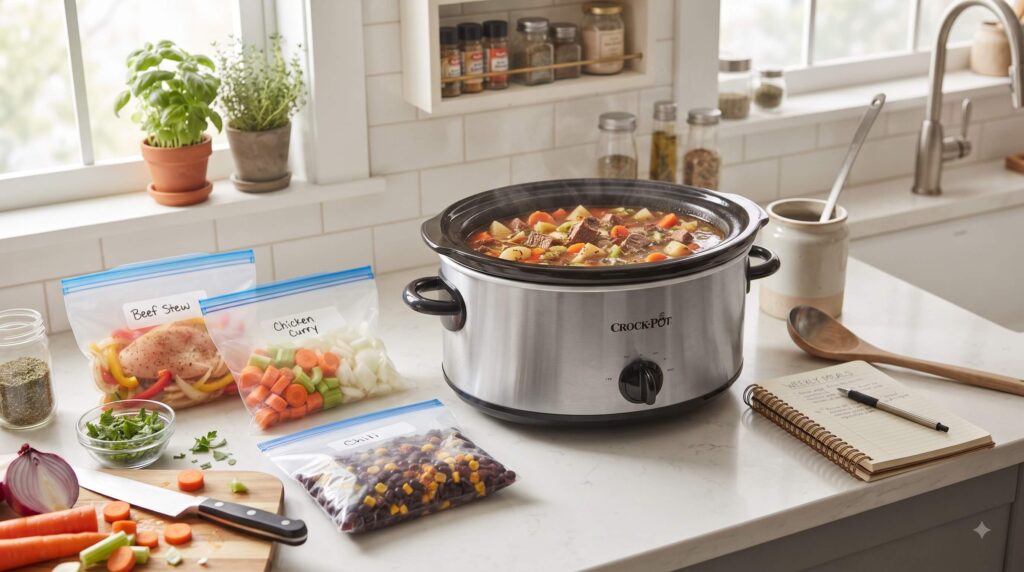
If you want to take “set and forget” to the next level, try freezer meal prep. Combine all the ingredients for a recipe in a zip-top freezer bag, remove the air, label it with the date and cooking instructions, and freeze it flat. On the night before you plan to cook, move the bag to the refrigerator to thaw. In the morning, empty it into the slow cooker and press start.
A single hour of prep on a weekend can give you four or five ready-to-go dinners for the coming weeks. Soups, chilis, curries, pulled meats, and marinated chicken all freeze brilliantly. Skip adding dairy, pasta, and rice before freezing, and stir them in after cooking.
Slow cooker liners are another handy trick. They make cleanup almost effortless, which is a big plus when the goal is a stress-free evening.
Food Safety Tips for Slow Cooking
Slow cookers are safe when used correctly. Keep these guidelines in mind:
- Thaw meat completely before cooking.
- Keep the lid on so the pot reaches and holds a safe temperature.
- Make sure poultry reaches an internal temperature of 165°F (74°C).
- Refrigerate leftovers within two hours of finishing. Do not leave food sitting in the pot for long periods once it has cooled.
- Reheat leftovers on the stove or in the microwave rather than in the slow cooker, which heats too gradually.
- If the power goes out while you are away and you are unsure how long it was off, play it safe and throw the food out.
Frequently Asked Questions
Can I leave a slow cooker on all day while I’m at work?
Yes. Slow cookers are designed for long, unattended cooking, and most recipes are written with an eight to ten hour work day in mind. Use the low setting, make sure the cooker sits on a heat-safe, clear surface away from anything flammable, and check that the cord is not dangling over the counter edge.
Do I need to brown meat before adding it to a slow cooker?
Not necessarily. Browning adds a deeper, roasted flavour, but it is optional. If you want a truly hands-off meal, skip it and compensate with extra seasoning, tomato paste, or soy sauce.
Can I put raw chicken in a slow cooker?
Yes, as long as it is fully thawed. Chicken thighs are especially well suited to slow cooking because they stay moist. Chicken breasts are leaner and can dry out, so cook them on the shorter end of the time range.
What is the difference between a Crockpot and a slow cooker?
Crock-Pot is a brand name, while “slow cooker” is the general term for the appliance. The two are used interchangeably, and recipes written for one work in the other.
How much liquid does a slow cooker need?
Usually less than you would think. Many recipes need only half a cup to one cup of liquid, because the lid traps steam and the ingredients release their own juices. Soups and stews will naturally need more.
Can I convert my favourite oven or stovetop recipe for the slow cooker?
Often, yes. Reduce the liquid by roughly a third, cut the cooking time dramatically (a recipe that takes 30 to 60 minutes on the stove usually needs 4 to 6 hours on low), and add dairy and delicate ingredients at the end.
Are slow cooker meals healthy?
They can be very healthy. Slow cooking requires little added fat, preserves nutrients in the cooking liquid, and works well with beans, lean proteins, and plenty of vegetables. Watch out for heavily processed sauce mixes and high-sodium broths if you are monitoring salt.
Final Thoughts: Let the Slow Cooker Do the Work
The beauty of set and forget slow cooker meals is how little they ask of you. A few minutes of prep, a quiet day of low heat, and you have a warm, satisfying dinner waiting at the end of it. Start with an easy recipe like salsa chicken or pot roast, learn how your particular slow cooker behaves, and gradually branch out into curries, soups, and even breakfast.
With the right ingredients, a bit of planning, and the tips above, your Crockpot can take the stress out of weeknight dinners for good. Pick one recipe from this list, load up your slow cooker tomorrow morning, and enjoy the best part of the day: walking through the door to a meal that’s already done.
Which Crockpot recipe will you try first? Share your favourite set and forget meal in the comments below.