

Meta Title: 4 Smart Food Tips You’ll Wish You Knew Sooner | Easy Kitchen Hacks
Meta Description: Discover 4 smart food tips that can help you keep food fresh, reduce waste, save time, and make everyday cooking easier. Try these simple kitchen hacks today.
Focus Keyword: smart food tips
Secondary Keywords: food tips, kitchen hacks, food storage tips, healthy food tips, food freshness tips, cooking hacks, kitchen tips
4 Smart Food Tips You’ll Wish You Knew Sooner
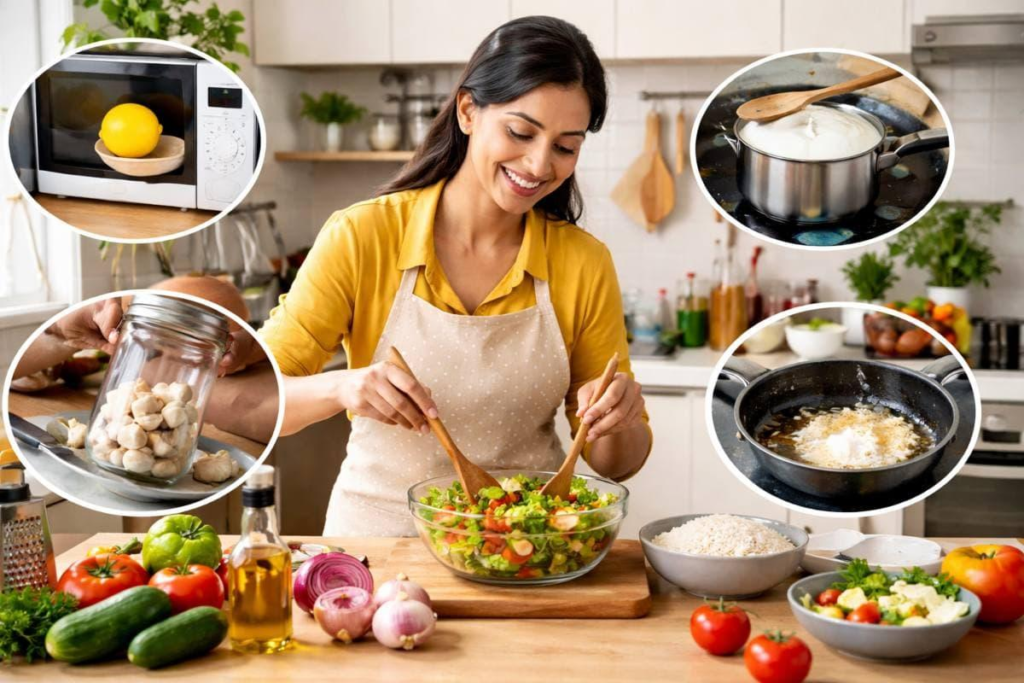
Food is something we deal with every single day, but there are plenty of simple tricks that can make cooking, storing, and preparing food much easier.
Sometimes, a small change in the way you store vegetables, organize your refrigerator, or prepare ingredients can save time and reduce unnecessary food waste.
The good news is that you don’t need expensive kitchen gadgets or complicated techniques. A few practical smart food tips can make a noticeable difference in your everyday routine.
Here are four easy food tips you’ll probably wish you had learned sooner.
1. Store Fruits and Vegetables the Right Way
One of the easiest ways to reduce food waste is to understand that not all fruits and vegetables should be stored in the same way.
Some produce stays fresh longer in the refrigerator, while other items are better kept at room temperature.
For example, leafy greens generally benefit from refrigeration and should be kept as dry as possible. Excess moisture can make them spoil faster.
You can gently wash leafy vegetables when appropriate, dry them thoroughly, and store them with a clean paper towel in a suitable container or bag. The paper towel can help absorb excess moisture.
Some fruits, meanwhile, can release ethylene gas as they ripen. This can speed up the ripening of nearby produce.
Simple tip:
Keep foods that ripen quickly separate from produce that you want to keep fresh for longer.
A little organization can help your fruits and vegetables stay usable longer.
2. Don’t Put Hot Food Straight Into the Refrigerator
Another useful kitchen habit is learning how to handle leftovers properly.
After cooking, food should not simply be left sitting out for a long period. At the same time, extremely hot food can be difficult to store safely in a large deep container.
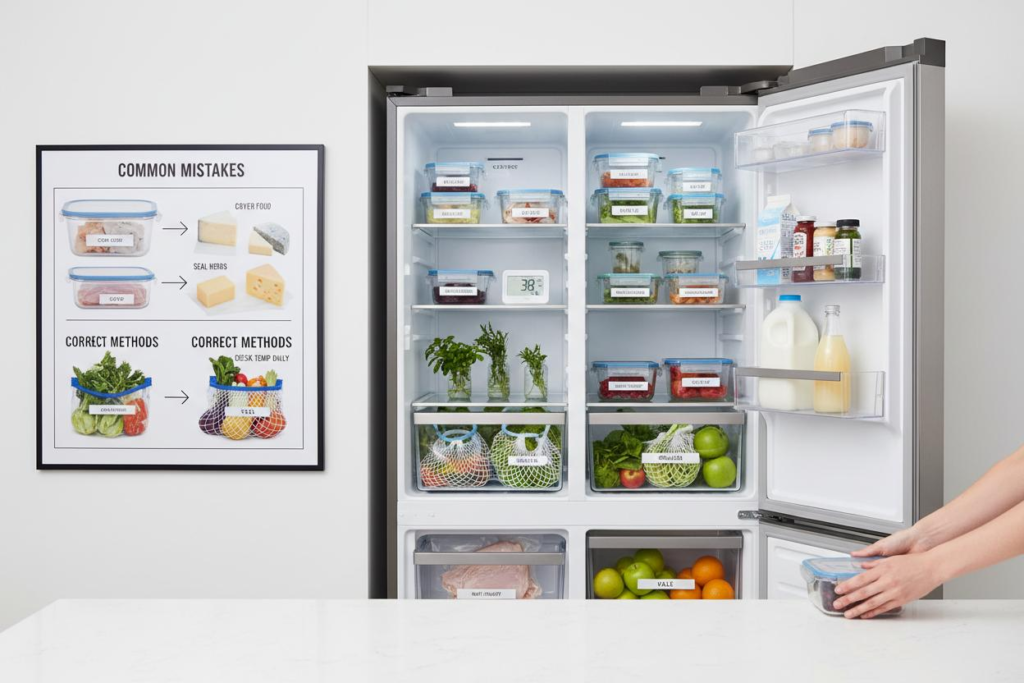
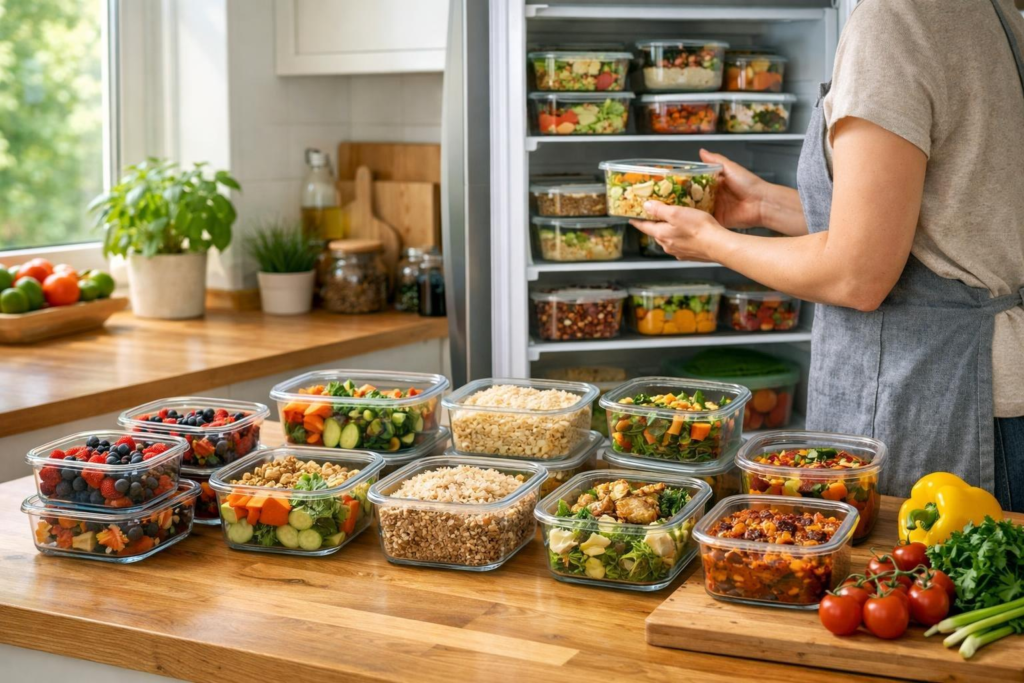
For leftovers, divide large amounts of food into smaller, shallow containers so they can cool more efficiently. Refrigerate perishable leftovers promptly rather than leaving them at room temperature for extended periods.
According to general food-safety guidance, perishable foods should not remain in the temperature danger zone for too long.
Why this tip matters
Proper leftover storage can help:
- Reduce food waste
- Make meals easier to reheat
- Keep your refrigerator organized
- Improve food safety
- Make meal planning easier
Always use your best judgment and follow local food-safety recommendations for specific foods.
3. Prep Ingredients Before You Start Cooking
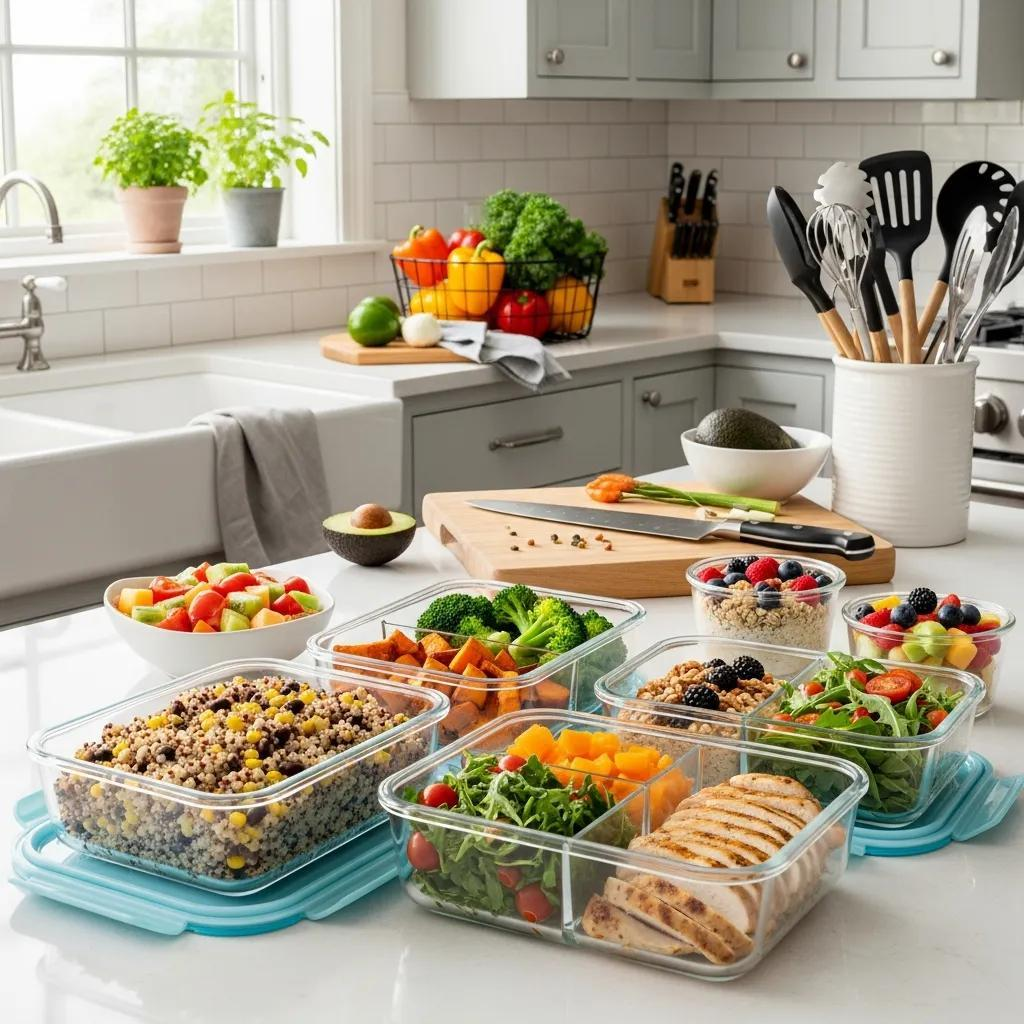
If cooking feels stressful or takes longer than expected, try preparing your ingredients before turning on the stove.
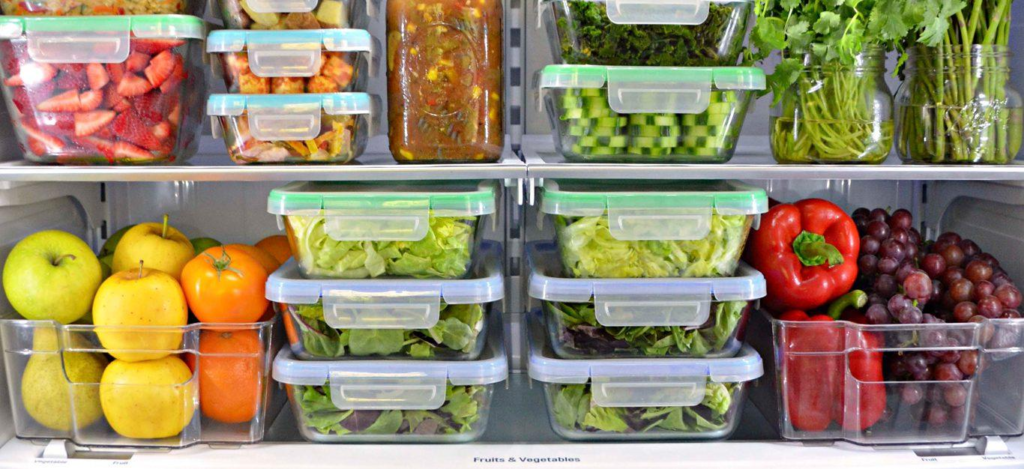
This technique is often called mise en place, a French term that essentially means having your ingredients prepared and organized before cooking.
Instead of chopping vegetables, searching for spices, and measuring ingredients while something is already cooking, prepare everything beforehand.
For example, before starting dinner, you can:
- Chop your vegetables
- Measure spices
- Prepare sauces
- Wash ingredients when appropriate
- Take out the required utensils
- Measure grains or other ingredients
This simple habit can make cooking much more organized.
A simple 10-minute preparation routine
Before cooking, spend about 10 minutes checking your recipe and preparing the ingredients.
Place everything within easy reach.
Once you start cooking, you can focus on the actual recipe instead of constantly stopping to prepare the next ingredient.
4. Use Your Refrigerator More Strategically
Your refrigerator isn’t just a place to put everything you don’t immediately need.
Organizing it properly can make it easier to find food before it goes bad.
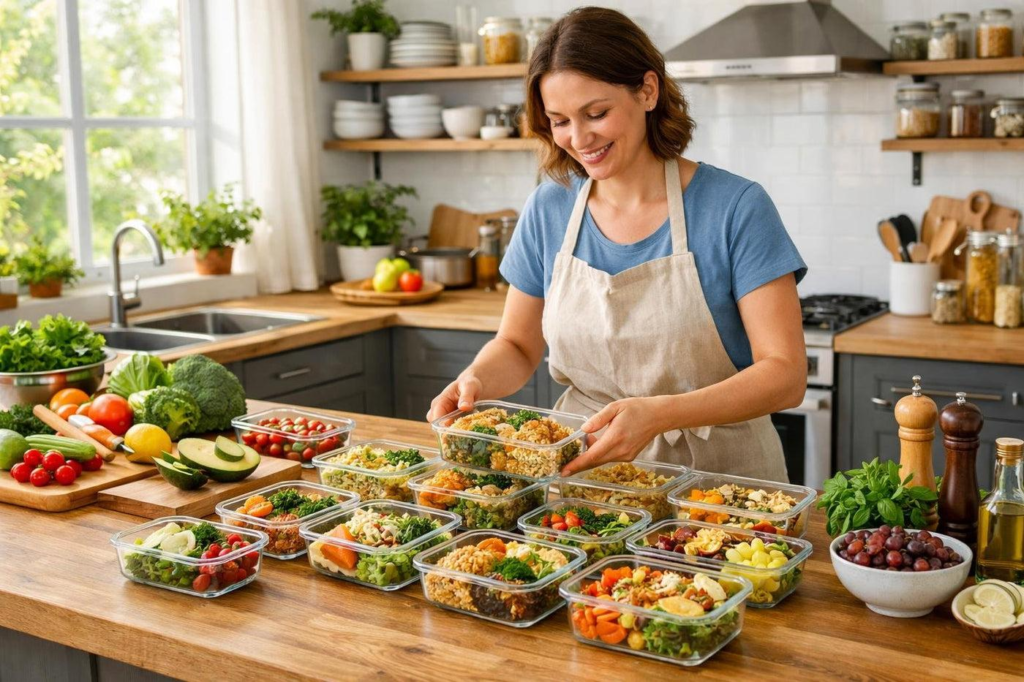
Try creating simple sections for different types of food. For example, keep ready-to-eat foods in one area, dairy products in another, and raw ingredients in appropriate storage areas according to your refrigerator’s design and food-safety guidance.
It’s also helpful to follow a first-in, first-out approach.
When you buy new groceries, move older items toward the front and place newer items behind them.
That way, you’re more likely to use the older food first.
Try this simple refrigerator habit:
Once or twice a week, spend a few minutes checking your refrigerator.
Look for:
- Foods approaching their use-by dates
- Leftovers that need to be eaten
- Produce that should be used soon
- Items that need better storage
- Ingredients you forgot you had
This small habit can save money and reduce unnecessary food waste.
Bonus Tip: Keep a “Use Soon” Section
Here’s another simple idea that can make your kitchen more efficient.
Create a small “Use Soon” area in your refrigerator.
Whenever you have vegetables, leftovers, sauces, or other foods that should be eaten soon, place them in this section.
When you’re deciding what to cook, check this area first.
You may discover that you already have everything you need for a quick meal.
This is one of the easiest ways to turn leftover ingredients into useful meals instead of letting them go to waste.
Why These Smart Food Tips Matter
You don’t need to completely change your lifestyle to become more organized in the kitchen.
Small habits can have a big impact over time.
Storing food correctly can help reduce waste. Preparing ingredients ahead of time can make cooking easier. Organizing your refrigerator can help you see what you actually have.
Most importantly, these habits can help you become more intentional about the food you buy and use.
The next time you’re in the kitchen, try just one of these tips.
Once it becomes a habit, move on to the next one.
Frequently Asked Questions
What are the best smart food tips for beginners?
Beginners can start with simple habits such as properly storing fruits and vegetables, organizing the refrigerator, preparing ingredients before cooking, and storing leftovers appropriately.
How can I keep food fresh for longer?
Proper storage, appropriate refrigeration, keeping produce dry when necessary, and using older foods before newer purchases can help reduce unnecessary spoilage.
How can I reduce food waste at home?
Plan meals, check your refrigerator regularly, store food properly, use leftovers creatively, and create a “Use Soon” section for foods that should be eaten first.
Is meal preparation useful for everyday cooking?
Yes. Preparing ingredients before cooking can make the cooking process more organized and can save time, especially when preparing multiple dishes.
How often should I organize my refrigerator?
A quick check once or twice a week can help you identify food that should be used soon and prevent forgotten items from sitting in the refrigerator for too long.
Final Thoughts
Smart cooking isn’t always about complicated recipes or expensive kitchen equipment.
Sometimes, the best kitchen hacks are the simplest ones.
By storing produce correctly, handling leftovers carefully, preparing ingredients before cooking, and organizing your refrigerator, you can make everyday food preparation easier and more efficient.
Try these 4 smart food tips this week and see which one makes the biggest difference in your kitchen.
You might be surprised by how much easier your daily cooking routine becomes.