
Introduction
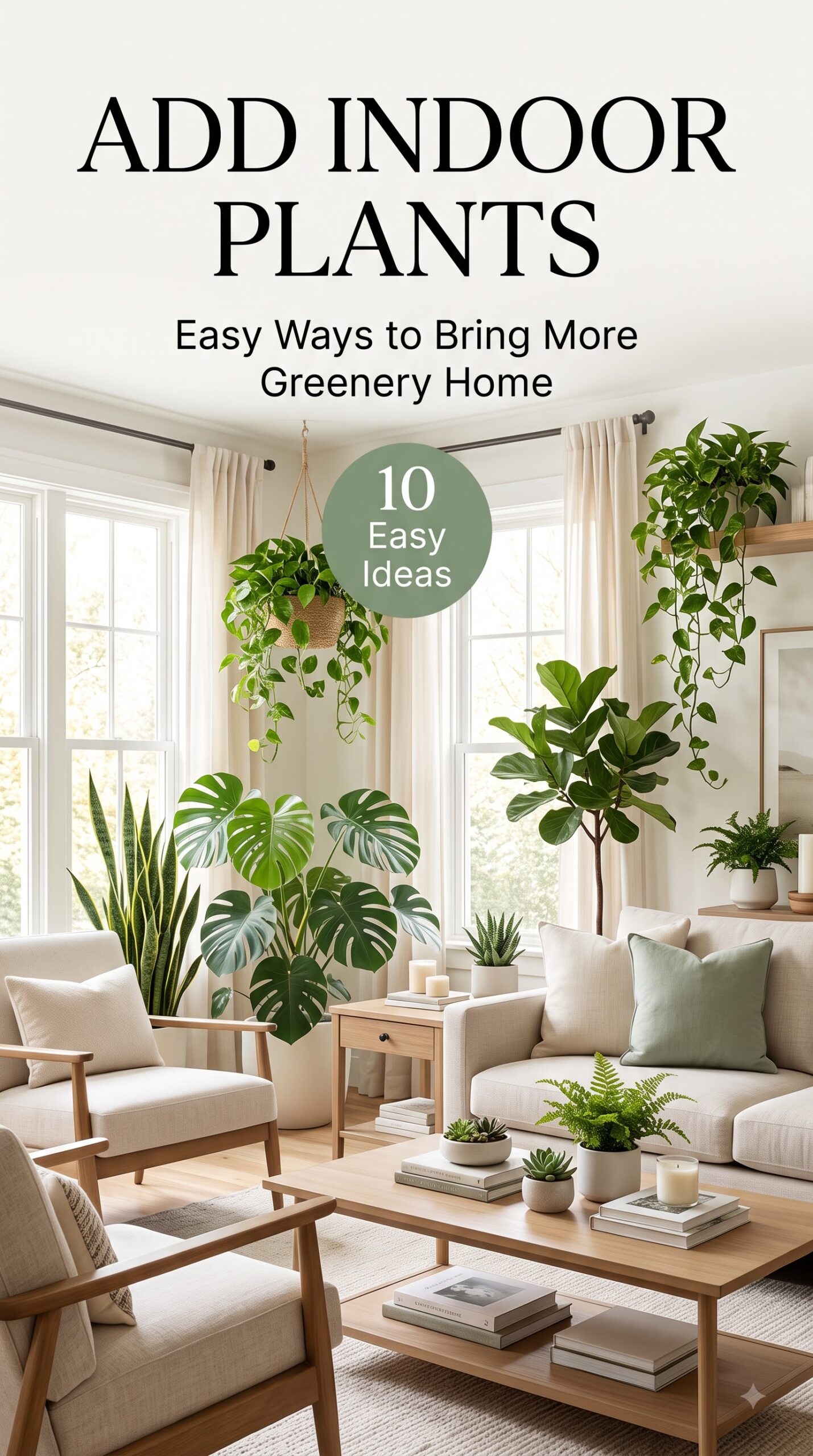
Want to make your home feel fresher, warmer, and more inviting? One of the easiest ways to transform a room is to add indoor plants.
You don’t need a huge house or dozens of plants. A single leafy plant beside a sofa, a small pothos on a shelf, or a few plants near a sunny window can completely change the look and feel of a space.
The trick is choosing plants that match your home’s light, available space, and your preferred level of care.


7
Image prompt: Premium realistic editorial photograph of a stylish modern American living room filled with thoughtfully placed indoor plants, monstera, pothos, snake plant and fiddle leaf fig, neutral cream sofa, warm wood accents, large windows, natural daylight, sophisticated lifestyle magazine aesthetic, realistic healthy plants, no text.
Why Add Indoor Plants to Your Home?
Indoor plants can instantly introduce color, texture, height, and natural character to an interior.
They can work beautifully with almost any decorating style, including:
- Modern
- Minimalist
- Scandinavian
- Farmhouse
- Traditional
- Boho
- Contemporary
You also don’t need to turn your home into a jungle. A few carefully placed plants can have more visual impact than dozens scattered around the room.


8
Image prompt: Realistic premium interior photograph of a modern American apartment decorated with a small collection of healthy indoor plants, neutral furniture, warm wood, cream textiles, soft natural daylight and sophisticated editorial home styling.
1. Add a Statement Plant to the Living Room
A large indoor plant can become the focal point of your living room.
Consider placing a tall plant:
- Beside the sofa
- Near a window
- Next to a bookcase
- Beside a TV console
- In an empty corner
Popular choices include fiddle leaf figs, rubber plants, monstera, and bird of paradise.


8
Image prompt: High-end realistic photograph of a large healthy fiddle leaf fig beside a cream sofa in a modern American living room, elegant ceramic planter, warm neutral interior, natural sunlight, sophisticated interior design magazine photography.
2. Decorate Shelves With Small Plants
Shelves are perfect for smaller indoor plants.
Try combining greenery with:
- Books
- Framed artwork
- Ceramic pieces
- Candles
- Small decorative objects
Leave some empty space between objects so the display doesn’t feel crowded.


6
Image prompt: Premium realistic photograph of a modern American bookshelf decorated with small pothos and compact houseplants alongside books, ceramics and framed artwork, balanced styling, neutral colors, soft daylight, clean editorial composition.
3. Create a Green Entryway
The entryway is one of the first areas people see when entering your home.
A medium-sized plant can look beautiful beside:
- A console table
- Entryway bench
- Shoe cabinet
- Mirror
- Storage basket
Choose the plant based on the amount of natural light available.


6
Image prompt: Stylish modern American entryway featuring a healthy medium-sized indoor plant beside a wooden console table and round mirror, neutral beige walls, woven basket, natural daylight, realistic premium interior photography.
4. Hang Plants Near a Window
Hanging plants are a smart choice when you don’t have much floor space.
Trailing plants such as pothos and heartleaf philodendron can create beautiful cascading greenery.
Before hanging a planter, make sure it is securely supported and positioned appropriately for the plant’s light requirements.


7
Image prompt: Realistic editorial photograph of a lush trailing pothos plant hanging securely near a bright window in a modern American home, cascading green leaves, warm white interior, stylish planter, premium home decor photography.
5. Add Plants to Your Kitchen
A few plants can make a kitchen feel warmer and more welcoming.
You could add:
- Small herb pots
- Spider plants
- Pothos
- Compact decorative plants
A sunny kitchen window can be an excellent location for suitable herbs or plants.
Keep plants away from excessive heat and areas where they could interfere with cooking.


8
Image prompt: Bright realistic modern American kitchen with small indoor plants and herb pots near a sunny window, white cabinetry, warm wood accents, clean countertops, natural daylight, sophisticated editorial photography.
6. Transform an Empty Corner
Have an awkward corner that never seems to look right?
Turn it into a simple plant display.
Use different heights:
- Tall floor plant
- Medium plant on a stand
- Small tabletop plant
This creates depth and makes the corner feel intentionally designed.


8
Image prompt: Premium realistic photograph of an empty corner transformed into a stylish indoor plant display, tall floor plant, medium plant on a simple stand, small tabletop plant, modern American living room, neutral colors and natural window light.
7. Add Greenery to the Bedroom
A bedroom can benefit from a small amount of greenery.
Try placing a plant:
- On a nightstand
- Near a window
- On a dresser
- On a plant stand
Choose plants based on your room’s light and the plant’s care requirements.


9
Image prompt: Calm realistic modern American bedroom with one or two healthy indoor plants, neutral bedding, soft cream walls, natural window light, small plant on nightstand, tasteful minimalist decor, premium lifestyle photography.
8. Use Plant Stands
Plant stands add height and help smaller plants become more noticeable.
Choose a stand that works with your existing decor.
| Home Style | Plant Stand |
|---|---|
| Modern | Simple metal |
| Scandinavian | Light wood |
| Boho | Natural wood |
| Traditional | Painted wood |
| Minimalist | Neutral-colored stand |


7
Image prompt: High-end realistic interior photograph of indoor plants displayed on elegant wooden and metal plant stands in a modern American living room, neutral furniture, varied heights, natural daylight, editorial interior photography.
9. Add Plants to the Bathroom
If your bathroom has appropriate light and humidity, plants can add a fresh decorative touch.
Consider:
- Small shelf plants
- Hanging plants
- Compact tropical plants
- Plants near a window
Always check the individual plant’s light and moisture requirements.


7
Image prompt: Realistic modern American bathroom with carefully placed indoor plants, natural stone, warm wood, cream tones, bright window, clean countertop, lush but uncluttered greenery, premium editorial interior photography.
10. Group Plants Together
Instead of spreading plants randomly throughout your home, create a small grouping.
Try three plants with different:
- Heights
- Leaf shapes
- Pot styles
This creates a more intentional and visually interesting display.


6
Image prompt: Premium realistic photograph of three indoor plants grouped together in a modern American living room, varied heights and leaf shapes, coordinated ceramic pots, neutral decor, natural window light, stylish editorial composition.
11. Add a Plant to Your Home Office
A small plant can add natural color to a workspace without taking up much room.
Try placing one:
- Beside your computer
- On a nearby shelf
- On a filing cabinet
- Near a window
Avoid placing plants where water could accidentally damage electronics.


6
Image prompt: Realistic premium photograph of a stylish modern American home office with a small green plant beside a clean wooden desk, laptop, neutral decor, natural window light, organized workspace, sophisticated lifestyle magazine aesthetic.
12. Use Plants as Natural Room Accents
You don’t need a large collection.
Sometimes one strategically positioned plant is enough to improve an empty-looking area.
Consider placing greenery:
- Beside a fireplace
- Next to a bookcase
- Near a large window
- Beside a TV console
- In an empty corner
The goal is to make the plant feel like part of the room’s design rather than another piece of clutter.


6
Image prompt: Sophisticated realistic American living room with one beautifully positioned indoor plant beside a fireplace and another subtle plant near a console, neutral modern decor, warm wood, natural daylight, high-end editorial interior photography.
Best Indoor Plants for Beginners
If you’re new to houseplants, start with varieties that are commonly considered relatively approachable.
| Plant | Look | Common Placement |
|---|---|---|
| Snake Plant | Tall, architectural | Living room or bedroom |
| Pothos | Trailing foliage | Shelf or hanging planter |
| Spider Plant | Full, arching leaves | Shelf or bedroom |
| ZZ Plant | Glossy foliage | Office or living room |
| Rubber Plant | Large bold leaves | Bright living room |
| Monstera | Tropical foliage | Living room |
| Heartleaf Philodendron | Trailing vines | Shelf or hanging planter |
Plant needs vary, so check the specific variety’s requirements for light, watering, temperature, and space before purchasing.


6
Image prompt: Premium realistic photograph of a curated collection of beginner-friendly houseplants including snake plant, pothos, spider plant, ZZ plant and monstera, arranged in an attractive American home, natural daylight, realistic healthy foliage, editorial gardening photography.
How to Choose the Right Indoor Plant
Before bringing a plant home, consider three things.
1. Check the Light
Look at the location where you want to put the plant.
Does it receive:
- Bright indirect light?
- Direct sunlight?
- Medium light?
- Low light?
Choose a plant whose needs match the location.
2. Measure Your Space
Consider both the plant’s current size and its potential mature size.
A plant that looks small at the garden center may eventually need significantly more room.
3. Consider Your Routine
If you travel frequently or prefer low-maintenance decor, choose plants whose care requirements fit your schedule.


6
Image prompt: Realistic American garden center with a shopper choosing healthy indoor plants, lush houseplants in different sizes, bright natural light, attractive plant displays, premium lifestyle photography.
Indoor Plant Styling Tips
Match Your Pots to Your Decor
Neutral ceramic pots work well in modern homes, while terracotta can add warmth and natural character.
Mix Different Heights
Combine floor plants, plant stands, tabletop plants, and hanging plants.
Use Repeated Colors
Repeating green foliage throughout a room can make the design feel cohesive.
Don’t Overcrowd
Leave breathing room between plants and other decorative objects.
Keep Plant Care Practical
A beautiful plant that’s difficult to reach or water may become difficult to maintain.
Common Mistakes When Adding Indoor Plants
Choosing a Plant Without Checking Light
Not every plant can thrive in the same location.
Adding Too Many Plants
More isn’t always better. A few healthy plants can create a stronger visual impact.
Ignoring Mature Size
Always consider how large the plant may become.
Overwatering
Different plants have different watering needs. Follow care instructions for the specific variety.
Putting Plants in Inconvenient Locations
If watering and maintenance are difficult, you’re less likely to keep up with them.
Simple Indoor Plant Shopping Checklist
Before buying a plant, ask:
- Where will I place it?
- How much light is available?
- How large can it become?
- What pot size does it need?
- How often does it require care?
- Is the location suitable for the plant?
- Will the plant work with my existing decor?
- Can I easily water and maintain it?
Frequently Asked Questions
What is the easiest way to add indoor plants?
Start with one or two plants in areas with suitable light. A small plant on a shelf or a larger floor plant in an empty corner can make a noticeable difference.
Where should I put indoor plants?
Place them according to their light and care requirements. Common locations include living rooms, bedrooms, kitchens, entryways, home offices, and suitable bathrooms.
What are good indoor plants for beginners?
Snake plants, pothos, spider plants, and ZZ plants are commonly considered beginner-friendly choices. However, their care still depends on the specific growing environment.
How many indoor plants should I have?
There is no perfect number. Start with a few plants you can comfortably care for and add more gradually.
Can indoor plants improve home decor?
Absolutely. Plants can introduce natural color, texture, height, and visual interest to an interior.
Should plants be placed near windows?
Many plants benefit from natural light, but the ideal placement depends on the plant. Check its specific light requirements.