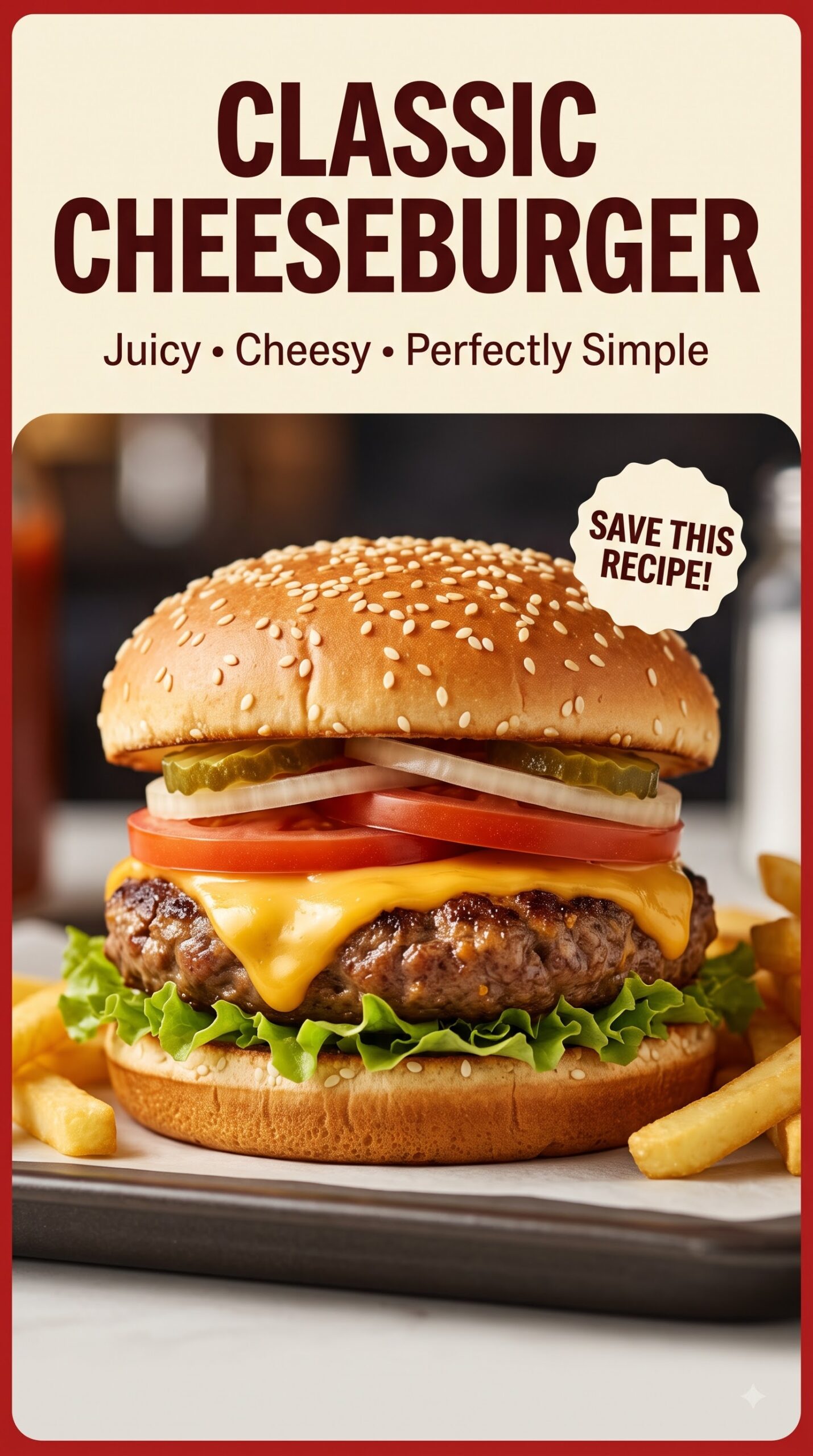

Few meals are as recognizable and satisfying as a classic cheeseburger. A juicy beef patty, melted cheese, toasted bun, crisp lettuce, fresh tomato, pickles, onions, and a flavorful sauce create a combination that has earned its place among America’s favorite comfort foods.
The great thing about making cheeseburgers at home is that you don’t need complicated ingredients. With good ground beef, a hot cooking surface, fresh toppings, and a few simple techniques, you can create a delicious burger right in your own kitchen.
What Makes a Classic Cheeseburger?
A classic cheeseburger is all about balance.
The beef should be savory and juicy, the cheese should melt over the patty, and the bun should be soft enough to bite through while still holding everything together.
Traditional toppings can include:
- Lettuce
- Tomato
- Pickles
- Onion
- Ketchup
- Mustard
- Mayonnaise
You can customize the toppings, but keeping the ingredient list relatively simple lets the beef and cheese remain the stars.


6
Classic Cheeseburger Ingredients
This recipe makes approximately 4 cheeseburgers.
| Ingredient | Amount |
|---|---|
| Ground beef | 1½ pounds |
| Burger buns | 4 |
| Cheese slices | 4 |
| Lettuce | 4 leaves |
| Tomato | 1 large |
| Pickles | 12–16 slices |
| Onion | ½ medium |
| Mayonnaise | ¼ cup |
| Ketchup | 2 tablespoons |
| Yellow mustard | 1 tablespoon |
| Salt | To taste |
| Black pepper | To taste |
| Butter or oil | For toasting |
What Beef Is Best for Cheeseburgers?
Ground beef with enough fat generally works well for burgers because the fat contributes flavor and moisture.
An 80/20 lean-to-fat ratio is a popular choice for traditional burgers.
If you’re using a different lean-to-fat ratio, pay attention to cooking time because leaner beef can behave differently during cooking.
How to Make a Classic Cheeseburger
Step 1: Prepare the Toppings
Before cooking the beef, prepare everything that will go on the burger.
Wash and dry the lettuce.
Slice the tomato and onion.
Arrange the pickles.
Keep the toppings refrigerated until you’re ready to assemble the burgers.
Having everything ready makes assembly much easier once the patties come off the grill or skillet.
Step 2: Make a Simple Burger Sauce
For a quick sauce, combine:
- ¼ cup mayonnaise
- 2 tablespoons ketchup
- 1 tablespoon yellow mustard
For additional tang, mix in finely chopped pickles or a small amount of pickle juice.
Stir until smooth and refrigerate until needed.
Step 3: Form the Beef Patties
Divide the ground beef into four equal portions.
Gently shape each portion into a round patty slightly wider than your burger bun.
Try not to overwork the meat. You want the patty to hold together without becoming unnecessarily compact.
Make a shallow indentation in the center if desired. This can help the patty maintain a more even shape as it cooks.
Step 4: Season the Patties
Season both sides of the patties with salt and black pepper shortly before cooking.
For a traditional cheeseburger, you don’t need an elaborate spice mixture.
The beef, cheese, sauce, and toppings provide plenty of flavor.
Step 5: Cook the Patties
Heat a skillet, griddle, or grill over medium-high heat.
Place the patties onto the hot surface.
Cook until the beef reaches a safe internal temperature.
For ground beef, the USDA recommends cooking to 160°F (71°C) as measured with a food thermometer.
A thermometer is more reliable than judging doneness by color alone.


6
Step 6: Add the Cheese
When the patties are close to being finished, place one cheese slice over each patty.
Allow the cheese to melt over the hot beef.
Best Cheese Choices
| Cheese | Flavor |
|---|---|
| American | Mild and creamy |
| Cheddar | Rich and slightly sharp |
| Swiss | Mild and nutty |
| Pepper Jack | Creamy with a little heat |
| Provolone | Smooth and mild |
For a traditional classic cheeseburger, American cheese and cheddar are especially popular choices.
Step 7: Toast the Burger Buns
Cut-side down, lightly toast the buns in a skillet or on the grill.
You can spread a small amount of butter on the cut sides before toasting.
The goal is a light golden color rather than a heavily browned bun.
A toasted bun adds texture and can help prevent sauces and juices from making the bread too soft.
Step 8: Assemble the Classic Cheeseburger
A simple assembly order is:
Bottom bun → burger sauce → lettuce → beef patty → melted cheese → tomato → onion → pickles → sauce → top bun
You can change the order according to your preference.
The most important thing is to create a burger that holds together while giving you a good balance of textures.
Tips for a Juicy Homemade Cheeseburger
Don’t Overwork the Beef
Handle the meat gently while forming the patties.
Don’t Flatten the Burger Repeatedly
Constantly pressing a patty can push out flavorful juices.
Preheat Your Cooking Surface
A properly heated skillet or grill helps the outside of the burger brown effectively.
Toast the Buns
A lightly toasted bun adds structure and texture.
Don’t Overload the Burger
Too many toppings can make the burger difficult to eat and can overwhelm the flavor of the beef.
Use Fresh Toppings
Fresh lettuce, ripe tomato, crisp pickles, and freshly sliced onion can make a noticeable difference.
Best Classic Cheeseburger Toppings
The traditional combination is simple, but you have plenty of options.
Fresh Toppings
- Lettuce
- Tomato
- Onion
- Pickles
Sauces
- Ketchup
- Mustard
- Mayonnaise
- Burger sauce
- Barbecue sauce
Extra Toppings
- Bacon
- Caramelized onions
- Sautéed mushrooms
- Jalapeños
- Avocado
- Crispy onions
For the most traditional version, stick with lettuce, tomato, onion, pickles, ketchup, mustard, and mayonnaise.
What to Serve With a Classic Cheeseburger
A cheeseburger pairs naturally with a variety of sides.
Classic Choices
- French fries
- Sweet potato fries
- Onion rings
- Coleslaw
- Potato salad
- Pickles
- Simple green salad
For a classic American-style meal, crispy fries are one of the easiest pairings.


5
Common Cheeseburger Mistakes
1. Making the Patty Too Small
Ground beef can shrink during cooking, so shape the raw patty slightly wider than the bun.
2. Overworking the Meat
Avoid squeezing and compacting the beef more than necessary.
3. Using Too Much Sauce
A little sauce adds flavor, while too much can make the burger messy and overpower other ingredients.
4. Skipping the Bun Toasting
A lightly toasted bun gives the burger a better texture.
5. Forgetting Food Safety
Always verify that ground beef reaches the recommended safe internal temperature.
Classic Cheeseburger Variations
Once you’ve mastered the basic recipe, you can experiment.
Bacon Cheeseburger
Add crispy bacon for a smoky, salty flavor.
Mushroom Swiss Burger
Top the beef with sautéed mushrooms and Swiss cheese.
BBQ Cheeseburger
Add barbecue sauce, cheddar cheese, and crispy onions.
Spicy Cheeseburger
Use pepper jack cheese, jalapeños, and a spicy sauce.
Double Cheeseburger
Use two smaller patties and add cheese between the layers.
Frequently Asked Questions
What is a classic cheeseburger made of?
A classic cheeseburger generally consists of a beef patty, cheese, hamburger bun, and traditional toppings such as lettuce, tomato, onion, pickles, ketchup, mustard, or mayonnaise.
What type of beef is best for a classic cheeseburger?
Ground beef with a moderate amount of fat is commonly preferred because it provides flavor and moisture. An 80/20 lean-to-fat ratio is a popular option.
What cheese is traditionally used on a cheeseburger?
American cheese and cheddar are both common choices. American cheese provides a classic mild, creamy melt, while cheddar offers a stronger flavor.
Should I toast the burger bun?
Yes. Lightly toasting the bun improves texture and gives the burger a more finished flavor.
What temperature should a cheeseburger reach?
Ground beef should reach 160°F (71°C) according to USDA food-safety guidance. Use a food thermometer to check the internal temperature.
How do I keep a cheeseburger from falling apart?
Avoid overloading it with toppings, toast the bun lightly, and use a patty that fits the bun properly.
Conclusion
A delicious classic cheeseburger comes down to a handful of simple details: flavorful ground beef, proper seasoning, melted cheese, fresh toppings, a toasted bun, and a sauce that ties everything together.
You don’t need complicated techniques or unusual ingredients to make a great burger at home.
Once you’ve mastered the classic version, you can experiment with different cheeses, sauces, toppings, and cooking methods to create your own signature cheeseburger.


5