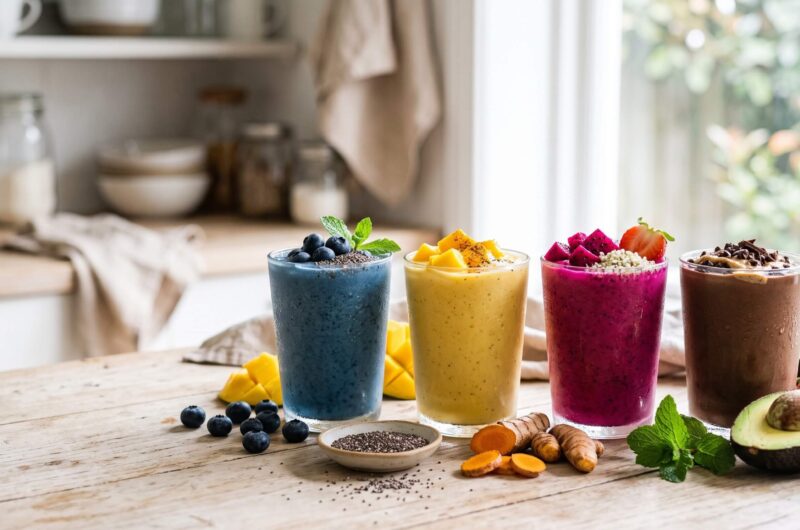

Introduction: Why Your “Healthy” Morning Drink Might Be Sabotaging You
If your morning starts with a 16-ounce caramel oat milk latte or a bottled “detox” smoothie from the gas station cooler, I need to gently break some news to you: that drink is likely working against your energy, your waistline, and your hormones — not for them.
Most commercial coffee drinks and pre-bottled smoothies are built on a foundation of fruit concentrate, added cane sugar, and thickeners with almost no fiber, fat, or protein to slow absorption. The result is a blood sugar spike within 20 minutes, followed by an insulin surge, followed — inevitably — by the mid-morning crash that sends you reaching for a second coffee or a pastry by 10:30 a.m. Do this daily, and you’re not just chasing energy; you’re feeding systemic inflammation, disrupting cortisol rhythms, and putting steady pressure on the hormonal signaling (insulin, leptin, ghrelin) that governs appetite, belly fat storage, and mood.
This is where a true anti-inflammatory smoothie earns its name. The physiological difference between a spike-and-crash drink and a properly built fat-fiber-protein elixir comes down to gastric emptying rate. When you combine healthy fats (avocado, nut butter, MCT oil), soluble fiber (chia, flax, oats), and a complete protein source (whey, collagen, or a plant blend) with your fruit, you slow the rate at which sugar hits your bloodstream. Research on macronutrient sequencing consistently shows that fat and protein blunt post-meal glucose spikes compared to carbohydrates consumed alone. The outcome is a smooth, sustained energy curve instead of a rollercoaster — plus steady satiety that can carry you comfortably to lunch.
That’s exactly what this guide delivers: eight functional, whole-food smoothie recipes engineered around real high protein morning shakes science, gut health smoothies principles, and ingredients specifically chosen to support a hormone balancing breakfast. Each one doubles as a flat belly morning drink by minimizing bloat-triggering additives and maximizing digestion-friendly fiber and hydration. Let’s build your new morning ritual — one blended glass at a time.
The Bio-Synergy Smoothie Blueprint: The Science Behind Every Recipe
Before we get to the recipes, let’s talk architecture. A smoothie isn’t just “fruit plus liquid plus blender.” A truly functional, anti-inflammatory smoothie is built like a formula, with each ingredient category serving a specific physiological purpose. Here are the two non-negotiable rules behind every recipe in this article.
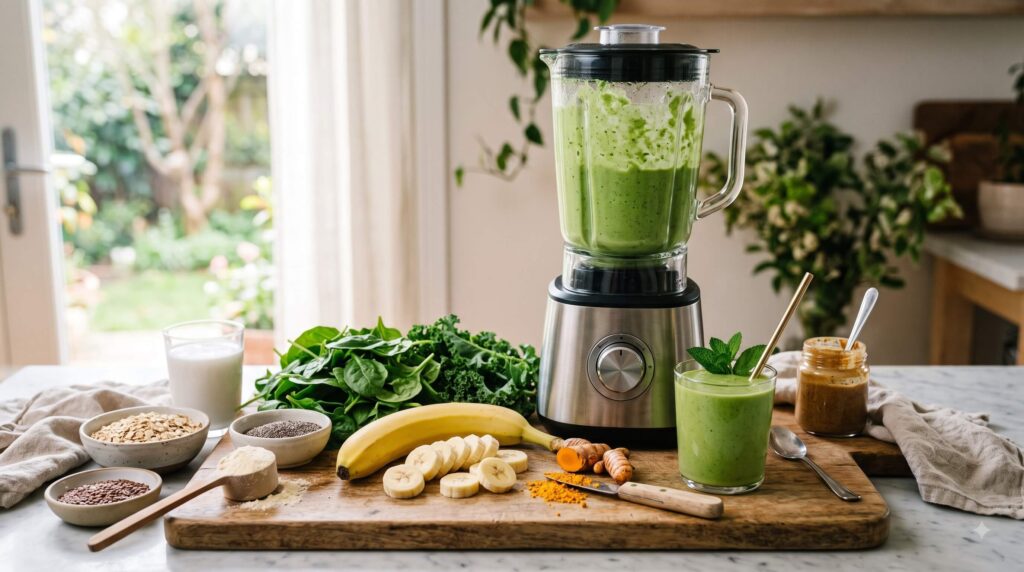
Rule #1: The Fat-Soluble Vitamin Pairing Rule
Vitamins A, D, E, and K are fat-soluble, meaning your intestinal cells cannot absorb them efficiently without dietary fat present in the same meal. This matters enormously for smoothies, since so many of our favorite add-ins — spinach, kale, mango, bell pepper, turmeric — are rich in these very vitamins. If you blend beautiful greens into a fat-free base of juice and ice, you’re likely absorbing only a fraction of the nutrition on paper.
The fix: every recipe below includes a source of medium-chain triglycerides (MCTs) or monounsaturated fat — think coconut milk, MCT oil, avocado, chia, or nut butter — specifically positioned to shepherd fat-soluble compounds like beta-carotene, curcumin, and vitamin K1 across the intestinal wall. This is also why we pair turmeric with black pepper (piperine) and a fat source in Recipe #2 — piperine alone can increase curcumin bioavailability dramatically, and fat completes the absorption pathway.
Rule #2: The Soluble-to-Insoluble Fiber Ratio for Gut Mobility
Not all fiber behaves the same way in your gut, and the ratio matters if your goal is de-bloating rather than triggering discomfort. Soluble fiber (found in chia, flax, oats, and psyllium) dissolves into a gel that feeds beneficial gut bacteria, slows digestion, and softens stool for easier elimination. Insoluble fiber (found in leafy greens, seed hulls, and vegetable skins) adds bulk and speeds transit time through the colon.
For a smoothie that supports genuine gut motility without gas or bloating, we aim for a working ratio of roughly 2:1 soluble to insoluble fiber. Too much insoluble fiber on an empty stomach — a common mistake with giant raw-kale smoothies — can actually cause cramping and bloating in sensitive digestive systems. Every recipe here leans on soluble-fiber powerhouses (chia, ground flax, banana, oats) as the primary fiber source, with leafy greens and pitaya seeds playing a supporting, not starring, role. This is the quiet mechanism behind why these are genuine gut health smoothies rather than just “green drinks.”
8 Functional Superfood Smoothies for Your Anti-Inflammatory Morning Routine
Each of these anti-inflammatory smoothie recipes is built on the Bio-Synergy Blueprint above: a complete protein, a fat-soluble-vitamin-friendly fat source, and a soluble-fiber base. All recipes yield one large 16–20 oz serving.
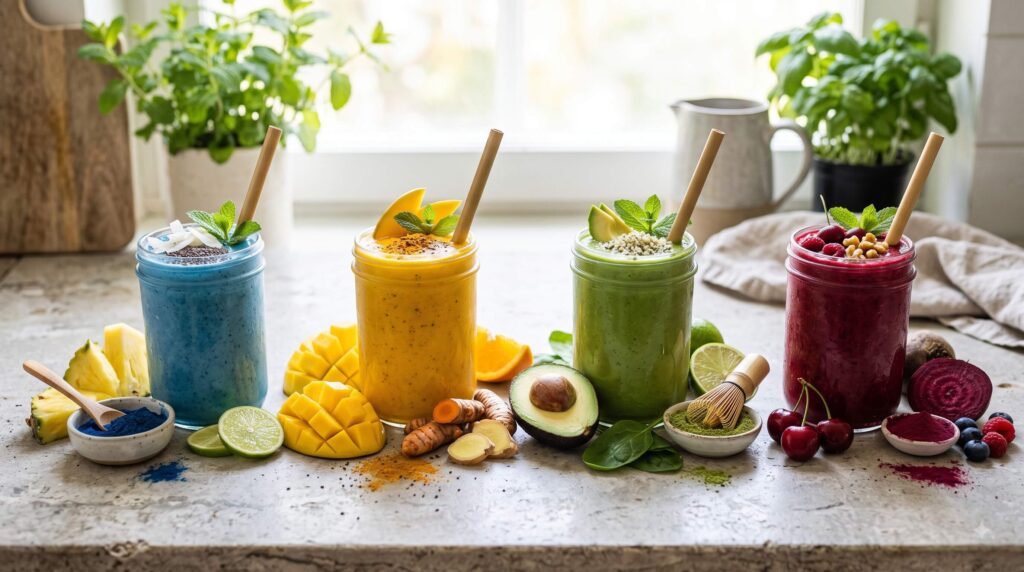
1. The Electric Blue Ocean Frost (Phycocyanin Recovery)
Flavor & Texture: Creamy, tropical, and lightly sweet with a thick milkshake-like body and a vivid ocean-blue hue that makes this the most Instagram-worthy recipe on the list.
Ingredients (US Measurements):
| Ingredient | Amount |
|---|---|
| Frozen banana | 1 medium, sliced |
| Blue spirulina powder | 1 tsp |
| Frozen pineapple chunks | 3/4 cup |
| Coconut milk (canned, light) | 1 cup |
| Vanilla whey or plant protein | 1 scoop (~25g) |
| Chia seeds | 1 tbsp |
| MCT oil | 1 tsp |
| Ice | 1/2 cup |
Blend Order (Blade-Protecting Method): 1) Coconut milk and MCT oil first (liquid + fat cushions the blades). 2) Chia seeds and protein powder. 3) Frozen pineapple and banana. 4) Blue spirulina last, pulsed briefly to avoid streaking. 5) Ice, blended on high for 45–60 seconds until fully emulsified.
Nutrition Box (per serving): Calories: 385 | Total Fat: 16g | Net Carbs: 29g | Dietary Fiber: 7g | Protein: 27g
Micronutrient Spotlight:
- Phycocyanin (from spirulina): A potent antioxidant pigment shown to inhibit inflammatory enzyme pathways, supporting faster recovery from exercise-induced oxidative stress.
- Potassium (from banana + pineapple): Supports fluid balance and helps counteract sodium-related bloating, a key piece of any flat belly morning drink.
- Manganese (from pineapple): A cofactor for antioxidant enzyme production and connective tissue support.
2. Golden Sunset Turmeric Gut Reset (Curcumin & Digestion)
Flavor & Texture: Warm, gently spiced, and citrusy-sweet, with a velvety texture reminiscent of a chai-mango lassi.
Ingredients:
| Ingredient | Amount |
|---|---|
| Frozen mango chunks | 1 cup |
| Unsweetened coconut yogurt | 1/2 cup |
| Ground turmeric | 1 tsp |
| Black pepper | 1 pinch |
| Fresh ginger | 1 tsp, grated |
| Flaxseed, ground | 1 tbsp |
| Coconut milk | 3/4 cup |
| Collagen peptides | 1 scoop |
Blend Order: 1) Coconut milk poured in first. 2) Coconut yogurt and collagen peptides. 3) Ground flax, turmeric, black pepper, and ginger (blending spices with liquid first prevents clumping). 4) Frozen mango added last, blended on high 40–50 seconds.
Nutrition Box (per serving): Calories: 340 | Total Fat: 14g | Net Carbs: 27g | Dietary Fiber: 6g | Protein: 19g
Micronutrient Spotlight:
- Curcumin-Piperine Synergy: Black pepper’s piperine compound can boost curcumin’s bioavailability substantially, amplifying turmeric’s anti-inflammatory action on gut lining tissue.
- Gingerol (from fresh ginger): Clinically associated with accelerated gastric emptying, easing bloating and nausea.
- Vitamin C (from mango): Supports collagen synthesis and enhances non-heme iron absorption.
3. Matcha Avocado Morning Focus (L-Theanine & Sustained Clarity)
Flavor & Texture: Grassy, subtly sweet, and ultra-creamy — closer to a dessert than a “diet” drink.
Ingredients:
| Ingredient | Amount |
|---|---|
| Culinary-grade matcha powder | 1 tsp |
| Ripe avocado | 1/2, medium |
| Frozen banana | 1/2 medium |
| Unsweetened almond milk | 1 cup |
| Vanilla protein powder | 1 scoop |
| Chia seeds | 1 tsp |
| Ice | 1/2 cup |
Blend Order: 1) Almond milk first. 2) Matcha powder whisked briefly into the liquid alone (or blended for 5 seconds) to prevent clumping. 3) Protein powder and chia seeds. 4) Avocado and banana. 5) Ice, blended until silky, about 45 seconds.
Nutrition Box (per serving): Calories: 360 | Total Fat: 18g | Net Carbs: 22g | Dietary Fiber: 8g | Protein: 24g
Micronutrient Spotlight:
- L-Theanine (from matcha): An amino acid that promotes alpha-wave brain activity, producing calm, sustained focus without the jitteriness of black coffee.
- Vitamin E (from avocado): A fat-soluble antioxidant that protects cell membranes from oxidative damage — and is absorbed efficiently thanks to avocado’s own healthy fat content.
- Folate (from avocado): Supports methylation processes tied to mood regulation and cellular repair.
4. Tart Cherry Beetroot Endurance Elixir (Nitric Oxide & Soreness Relief)
Flavor & Texture: Deep ruby-red, tart-sweet, and refreshingly juicy with a light, almost sorbet-like consistency.
Ingredients:
| Ingredient | Amount |
|---|---|
| Frozen tart cherries | 1 cup |
| Cooked or steamed beet | 1/4 cup, chopped |
| Beet juice (unsweetened) | 1/2 cup |
| Unsweetened coconut water | 1/2 cup |
| Plain Greek yogurt | 1/2 cup |
| Ground flaxseed | 1 tbsp |
| Protein powder (unflavored or vanilla) | 1 scoop |
Blend Order: 1) Beet juice and coconut water first. 2) Greek yogurt and protein powder. 3) Ground flax. 4) Cooked beet chunks (softer texture blends cleanly). 5) Frozen tart cherries last, blended on high 45 seconds.
Nutrition Box (per serving): Calories: 320 | Total Fat: 5g | Net Carbs: 31g | Dietary Fiber: 6g | Protein: 26g
Micronutrient Spotlight:
- Dietary Nitrates (from beets): Convert to nitric oxide in the body, supporting vasodilation, improved blood flow, and enhanced exercise performance.
- Anthocyanins (from tart cherries): Powerful antioxidant pigments linked in research to reduced exercise-induced muscle soreness and improved sleep quality via natural melatonin content.
- Betalains (from beets): Plant pigments with documented anti-inflammatory and detoxification-supporting properties in the liver.
5. Tahini Fig Adrenal Harmony (Bioavailable Zinc & Magnesium)
Flavor & Texture: Rich, nutty, and caramel-sweet with a dense, satisfying, milkshake-like mouthfeel.
Ingredients:
| Ingredient | Amount |
|---|---|
| Dried mission figs (soaked 10 min) | 3 figs |
| Tahini | 1.5 tbsp |
| Unsweetened oat milk | 1 cup |
| Magnesium glycinate powder (optional) | 1 scoop (as directed) |
| Cinnamon | 1/4 tsp |
| Collagen or protein powder | 1 scoop |
| Ice | 1/2 cup |
Blend Order: 1) Oat milk first. 2) Tahini blended into the liquid to fully incorporate (this prevents a gritty, separated texture). 3) Protein/collagen powder and cinnamon. 4) Soaked, softened figs. 5) Magnesium powder gently pulsed in at the end. 6) Ice, blended 40 seconds.
Nutrition Box (per serving): Calories: 410 | Total Fat: 17g | Net Carbs: 34g | Dietary Fiber: 7g | Protein: 22g
Micronutrient Spotlight:
- Magnesium Glycinate (from tahini + supplement): A highly bioavailable, gut-gentle form of magnesium that supports cortisol regulation, adrenal function, and muscle relaxation.
- Zinc (from tahini/sesame): Essential for hormone production, including thyroid and reproductive hormone synthesis.
- Copper (from figs): Works alongside iron to support red blood cell formation and energy metabolism.
6. Neon Pitaya Collagen Dew (Skin Elasticity & Vitamin C)
Flavor & Texture: Bright magenta-pink, fruity, and lightly floral, with a smooth, sorbet-adjacent consistency dotted with tiny crunchy seeds.
Ingredients:
| Ingredient | Amount |
|---|---|
| Frozen pitaya (dragon fruit) puree packet | 1 packet (100g) |
| Frozen strawberries | 1/2 cup |
| Coconut water | 1 cup |
| Marine or bovine collagen peptides | 1.5 scoops |
| Chia seeds | 1 tbsp |
| Lime juice | 1 tsp |
Blend Order: 1) Coconut water first. 2) Collagen peptides blended in fully before adding solids (prevents clumping). 3) Chia seeds and lime juice. 4) Frozen strawberries. 5) Pitaya puree added last to preserve its vivid color, blended just until smooth (30–40 seconds).
Nutrition Box (per serving): Calories: 290 | Total Fat: 3g | Net Carbs: 28g | Dietary Fiber: 8g | Protein: 20g
Micronutrient Spotlight:
- Vitamin C (from strawberries + lime): Directly required as a cofactor in collagen synthesis, making this pairing functionally synergistic, not just flavorful.
- Type I & III Collagen Peptides: Provide the glycine and proline building blocks associated with skin elasticity and joint connective tissue support.
- Magnesium (from pitaya): Supports enzymatic energy production and gently aids smooth muscle relaxation in the gut.
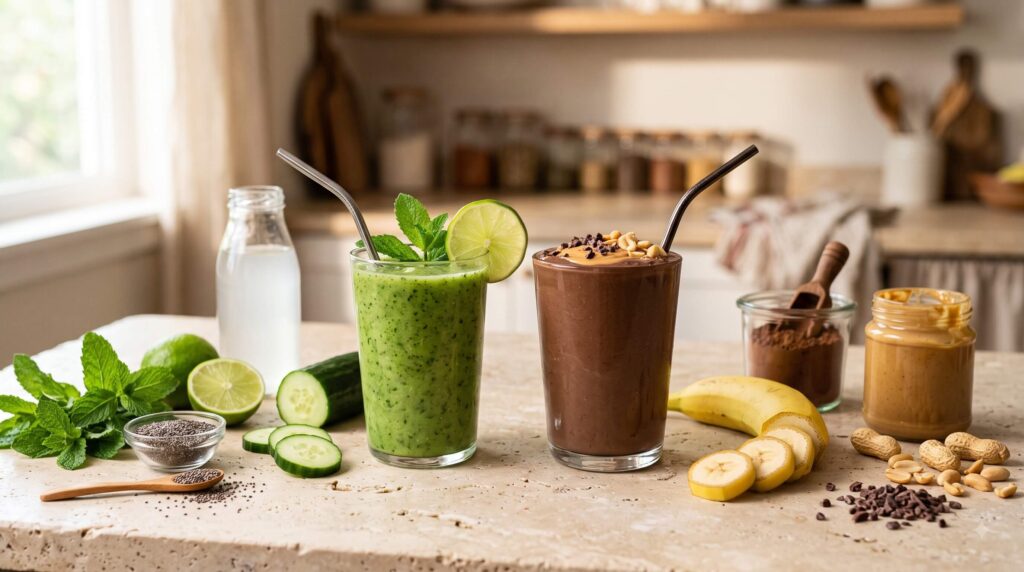
7. Double-Dark Cacao PB Builder (Post-Workout Recovery)
Flavor & Texture: Rich, dessert-like, and deeply chocolatey with a thick, spoonable texture perfect for post-workout refueling.
Ingredients:
| Ingredient | Amount |
|---|---|
| Unsweetened cacao powder | 1.5 tbsp |
| Natural peanut butter (or almond butter) | 1.5 tbsp |
| Frozen banana | 1 medium |
| Unsweetened almond milk | 1 cup |
| Chocolate or vanilla protein powder | 1 scoop |
| Ground flaxseed | 1 tbsp |
| Ice | 1/2 cup |
Blend Order: 1) Almond milk first. 2) Peanut butter blended into liquid until smooth. 3) Protein powder, cacao powder, and flaxseed. 4) Frozen banana. 5) Ice, blended on high 45–60 seconds until thick and creamy.
Nutrition Box (per serving): Calories: 430 | Total Fat: 19g | Net Carbs: 30g | Dietary Fiber: 8g | Protein: 30g
Micronutrient Spotlight:
- Flavanols (from cacao): Support vascular function and have documented anti-inflammatory effects on the cardiovascular system.
- Magnesium (from cacao + peanut butter): Assists in muscle recovery and reduces post-exercise cramping.
- Potassium (from banana): Replenishes electrolytes lost through sweat and supports muscle contraction and relaxation post-workout.
8. Emerald Cucumber Mint Cellular Flush (Deep Hydration & Electrolytes)
Flavor & Texture: Ultra-refreshing, crisp, and light with a thin, juice-like consistency — the palate-cleanser of the lineup.
Ingredients:
| Ingredient | Amount |
|---|---|
| Cucumber, peeled | 1 cup, chopped |
| Fresh mint leaves | 8–10 leaves |
| Coconut water | 1 cup |
| Frozen green grapes | 1/2 cup |
| Fresh lime juice | 1 tbsp |
| Chia seeds | 1 tbsp |
| Unflavored electrolyte powder (optional) | 1 packet |
| Plain Greek yogurt (for protein) | 1/3 cup |
Blend Order: 1) Coconut water first. 2) Greek yogurt and chia seeds blended in. 3) Mint leaves and lime juice. 4) Cucumber. 5) Frozen grapes and electrolyte powder added last, blended just until smooth (20–30 seconds — overblending warms the mixture and reduces its refreshing effect).
Nutrition Box (per serving): Calories: 210 | Total Fat: 3g | Net Carbs: 22g | Dietary Fiber: 5g | Protein: 12g
Micronutrient Spotlight:
- Silica (from cucumber): Supports connective tissue and skin hydration from within.
- Potassium & Sodium (from coconut water + electrolyte packet): Restore fluid balance efficiently, supporting the “flat belly” effect by counteracting water-retention bloat.
- Vitamin K (from mint and cucumber skin-adjacent flesh): Supports vascular and bone health; absorption is aided by the small amount of fat in the Greek yogurt base.
Pro-Prep & Storage Hacks for a 60-Second Morning Routine
The real key to sustaining an anti-inflammatory smoothie habit isn’t willpower — it’s logistics. On Sunday, portion each recipe’s frozen and dry ingredients (fruit, spinach, spices, seeds, protein powder) into quart-size mason jars or reusable freezer bags, labeled by recipe name. Store them flat in the freezer. Come morning, dump the jar’s contents into the blender, add your liquid base fresh, and blend — no measuring, no chopping, done in under 60 seconds.
To prevent oxidation and unattractive browning (especially in the mango, banana, and avocado-based recipes), add a splash of citrus juice — lemon or lime — to the prepped fruit before freezing; the ascorbic acid acts as a natural antioxidant barrier. For commuting, use a wide-mouth insulated tumbler and add chia or flax seeds right before you leave rather than during blending; this minimizes the separation and thickening that occurs when the seeds fully hydrate and settle over an hour-long commute.
Frequently Asked Questions
What’s the best natural sweetener alternative for these smoothies? Skip refined sugar and opt for whole-food sweeteners already built into the recipes — ripe banana, dates, or figs. If you want extra sweetness without added sugar, a small amount of monk fruit extract or a few drops of liquid stevia work well without spiking blood sugar.
Can I substitute the protein powder? Yes. Whey isolate, plant-based blends (pea + rice protein), and collagen peptides are interchangeable in nearly all recipes here, though collagen lacks the complete amino acid profile of whey or pea protein, so pair it with a nut butter or seed source for balance.
What’s the best dairy-free milk base? Unsweetened coconut milk offers the richest fat content (ideal for fat-soluble vitamin absorption), while oat milk provides more natural creaminess and almond milk keeps calories lowest.
Are these smoothies safe for daily consumption? Yes, for most healthy adults. Rotate recipes throughout the week to diversify your micronutrient and fiber intake rather than relying on just one variety every day.