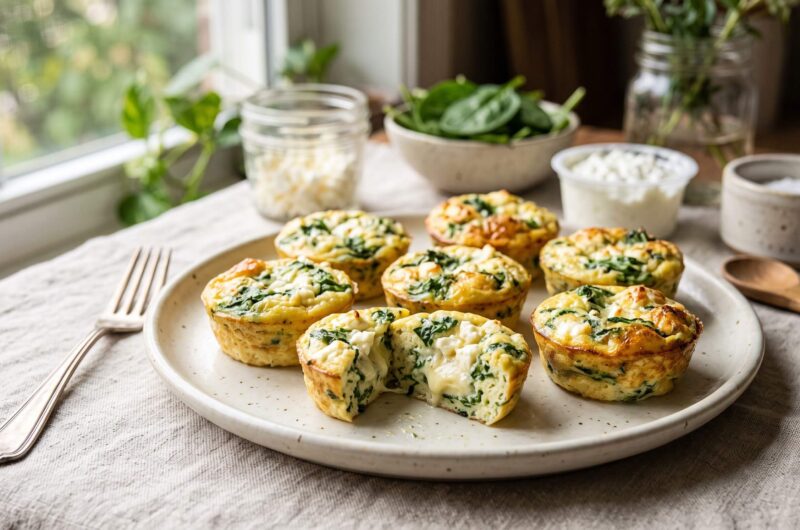

If you’ve ever paid $4.75 for two eggs, some cottage cheese, and a sprinkle of spinach at your local Starbucks, you already know the appeal of egg bites: they’re portioned, protein-forward, low in carbs, and dangerously easy to eat three of before you notice. What you may not know is that the famous jiggly-custardy texture isn’t a secret recipe trick — it’s a cooking method. Starbucks steams its egg bites sous vide, in sealed jars submerged in circulating water, which is what gives them that soufflé-like, almost flan-like softness instead of the rubbery curds you get from a dry oven bake or a stovetop scramble.
This guide walks through how to replicate that texture at home for a fraction of the cost, using either a genuine water bath (sous vide or steam-oven method) or a more accessible silicone-mold-in-oven approach. We’ll cover the egg-to-cottage-cheese ratio that creates the emulsified custard base, how to handle watery vegetables so your bites don’t turn soggy, freezing and reheating for real breakfast meal prep, and how the nutrition stacks up against the Starbucks original — useful information if you’re tracking macros or working toward a calorie deficit.
Why Texture Is the Whole Game
Most homemade “egg bite” failures come down to one issue: people treat egg bites like muffin-tin omelets. Baked directly in a dry oven at high heat, eggs seize up fast, expel moisture, and turn spongy or rubbery. Starbucks avoids this by cooking their egg bites gently, in a moist, enclosed environment, at a lower effective temperature over a longer time. This is the same principle behind sous vide cooking generally — gentle, even heat prevents the protein matrix in eggs from over-tightening and squeezing out liquid.
The two ingredients doing the heavy lifting for texture are eggs and cottage cheese. Cottage cheese isn’t just a mix-in for protein; when blended smooth, it functions as an emulsifier and moisture reservoir. It coats the egg proteins, physically getting in the way of them binding into a tight rubbery network, and it contributes moisture that bastes the eggs from the inside as they cook. This is why blending is non-negotiable in an authentic copycat recipe — cottage cheese curds left whole will just sit there as separate blobs of dairy, not moisture-locking emulsifiers.
The Egg-to-Cottage-Cheese Ratio
For a texture closest to the Starbucks version, aim for a ratio by volume of roughly 2 parts egg to 1 part cottage cheese, which is close to what food science breakdowns of the original have estimated. In practical kitchen terms, that’s about:
- 6 large eggs
- 3/4 cup (about 170g) full-fat or low-fat cottage cheese
- 2 tablespoons finely grated Monterey Jack or Gruyère (for flavor and slight structure, not required)
- 1/4 teaspoon salt, a pinch of white pepper
This ratio makes roughly 6 to 7 standard-size egg bites, depending on your mold.
A few ratio adjustments worth knowing:
- More cottage cheese (up to a 1:1 ratio with eggs) produces a softer, more custard-like bite, closer to a savory flan. This is the move if your last batch came out too firm.
- Less cottage cheese (heavier egg ratio) produces a firmer, more traditional “baked egg” texture — still tender, but less jiggly.
- Skip low-fat cottage cheese if you can. Full-fat cottage cheese has more fat content to coat the protein strands, and this fat is part of what prevents the eggs from tightening into a rubbery structure. Nonfat cottage cheese tends to produce a slightly more watery, less silky result.
Blend the eggs and cottage cheese together in a blender for 30 to 45 seconds until completely smooth — no visible curds, and the mixture should look pale and slightly frothy, almost like a thin pancake batter. This step is what separates a true copycat from a regular baked egg cup. Skipping the blender and just whisking by hand will leave cottage cheese curds intact, and they will not melt into the eggs during cooking.
Water Bath Oven Method vs. Silicone Blender Molds
There are two realistic home methods for replicating the steamed texture. Neither requires a $300 immersion circulator, though you can use one if you have it.
Method 1: Oven Water Bath (Closest to Commercial Texture)
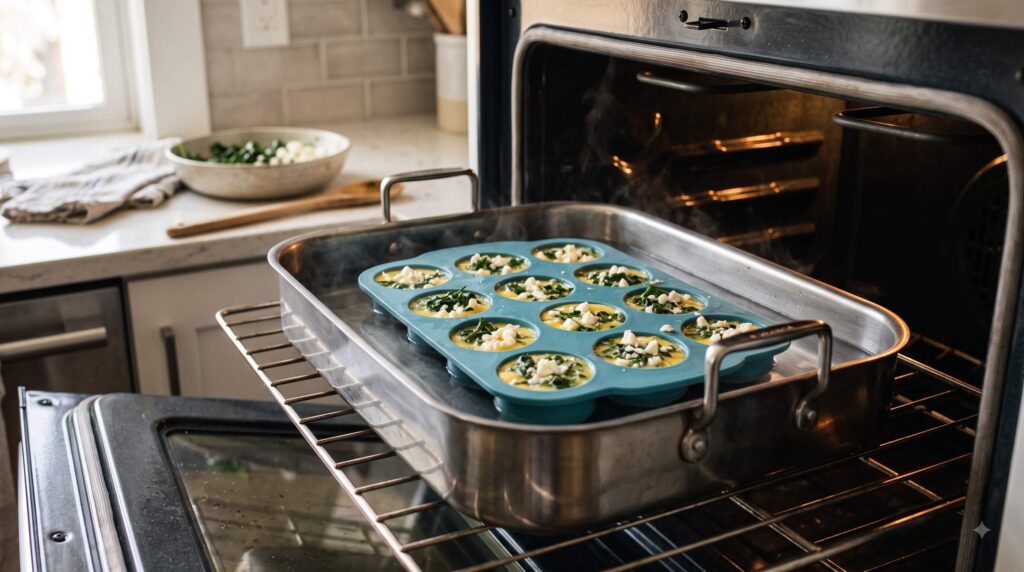
This is the more faithful reproduction of the Starbucks method, since it cooks the eggs in a humid, indirect-heat environment.
- Preheat the oven to 300°F (150°C) — lower than a typical baked egg recipe.
- Pour the blended egg mixture into silicone muffin cups or small mason jars (4-oz jars work well and are what many home cooks use to mimic the actual Starbucks presentation).
- Place the filled cups or jars into a deep baking dish or roasting pan.
- Pour hot (not boiling) water into the baking dish so it comes about halfway up the sides of the molds. This is the water bath, or bain-marie.
- Cover the entire pan loosely with foil to trap steam.
- Bake for 30 to 35 minutes, or until the centers are just set but still have a slight jiggle — they’ll firm up further as they cool.
- Remove the molds carefully from the water bath and let cool for 5 minutes before unmolding.
The water bath keeps the ambient cooking temperature around the eggs lower and more humid than dry oven air, which is exactly what prevents the surface from overcooking before the center sets. This method reliably gets you the closest texture to the original, especially when using small glass jars rather than a full-size muffin tin, since jars mimic the sealed, steamed environment more closely.
Method 2: Silicone Molds, No Water Bath (Faster, Slightly Firmer)
If you don’t want to deal with a water bath, silicone egg bite molds baked directly in the oven are a legitimate shortcut, though the texture will land closer to a soft baked egg than a true steamed custard.
- Preheat oven to 325°F (163°C).
- Lightly grease a silicone egg bite mold (the flexible material helps with unmolding and, unlike metal tins, doesn’t conduct heat as aggressively into the egg mixture, which softens the texture somewhat).
- Fill each cavity about 3/4 full with the blended mixture.
- Bake for 18 to 22 minutes, checking at the 18-minute mark. The centers should look set with a slight give, not liquid.
- Let rest 3 to 4 minutes in the mold before popping out.
This method is faster and requires less equipment, but expect a slightly more set, less jiggly texture than the water bath version. If you have an Instant Pot or pressure cooker with a trivet, you can also steam silicone molds directly with the “steam” or “egg” function for 8 to 10 minutes plus a natural pressure release — this is actually the closest home replication to Starbucks’ commercial steam-cook process, since it applies moist heat directly rather than through a water bath.
Vegetable Moisture Control
Spinach is the number one reason home egg bites turn watery or develop a soggy bottom layer. Raw spinach is roughly 90% water, and if you fold it into your egg mixture uncooked, it will release that water directly into the custard as it cooks, diluting the eggs and preventing proper setting.
To prevent this:
- Sauté first. Cook fresh spinach in a dry pan or with a small amount of oil until fully wilted, then transfer it to a clean kitchen towel or several layers of paper towel and squeeze out as much liquid as possible. This single step eliminates most sogginess complaints.
- If using frozen spinach, thaw it completely, then squeeze it in a towel — frozen spinach holds even more water than fresh and needs a firmer squeeze, sometimes twisting the towel like wringing out a washcloth.
- Chop finely after squeezing, not before. Chopping wet spinach before removing moisture just creates more surface area for water to leach out later.
- Same rule for other vegetables. If you’re customizing with tomatoes, mushrooms, or bell peppers, sauté them first to drive off moisture and slightly caramelize their sugars. Raw diced tomato in particular is a common culprit for bites that turn watery on standing.
- Feta is naturally drier than most cheeses and doesn’t require pre-treatment, but avoid the very wet, brine-packed feta tubs if you’re aiming for a firmer result — pat feta dry with a paper towel before folding it in if needed.
As a rule of thumb: any add-in with a moisture content above roughly 80% needs to be pre-cooked and drained before it goes into the egg mixture.
Freezing and Reheating for Breakfast Meal Prep
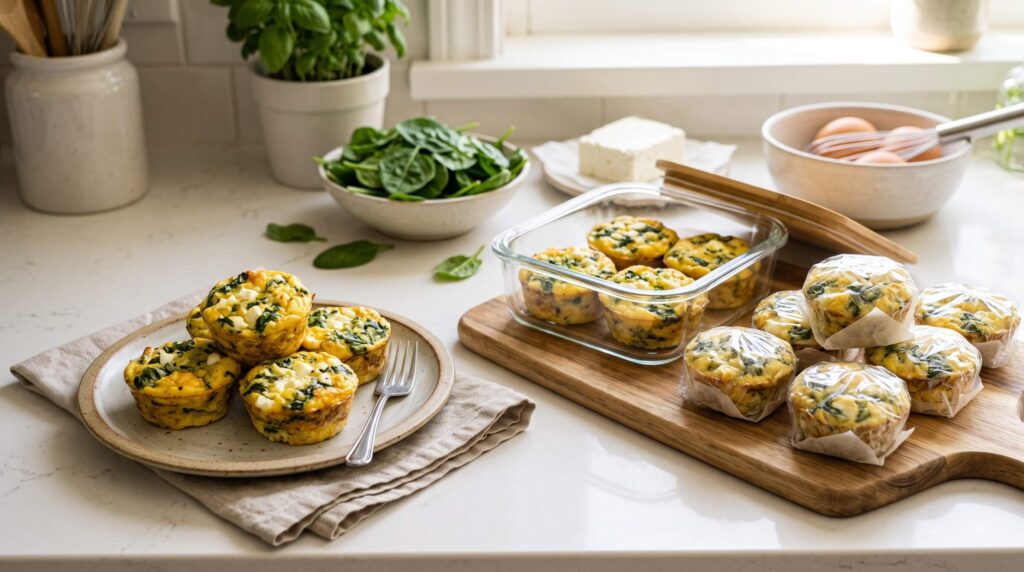
This is where homemade egg bites genuinely beat the Starbucks version — a batch of six to seven bites costs a small fraction of buying them daily, and they hold up well in the freezer for weeks.
To freeze:
- Let egg bites cool completely to room temperature before freezing — trapping steam in a container leads to ice crystals and rubbery reheats.
- Wrap each bite individually in plastic wrap or place in a single layer on a parchment-lined tray to flash-freeze for an hour, then transfer to a freezer bag or airtight container.
- Label with the date; they keep well for 2 to 3 months in the freezer.
To reheat from frozen:
- Microwave: Remove any plastic wrap, place on a microwave-safe plate, and cover loosely with a damp paper towel. Microwave at 50% power for 60 to 90 seconds, checking halfway. Full power tends to overcook the edges before the center warms, which reintroduces the rubbery texture you worked to avoid in the first place.
- From the fridge (not frozen): 30 to 45 seconds at 50% power is usually enough for bites that were only refrigerated overnight, since they hold well for up to 5 days chilled.
- Oven or toaster oven: Wrap in foil and reheat at 300°F for about 10 minutes if you’re not in a rush; this preserves texture slightly better than microwaving, since it reheats more evenly.
- Avoid the full-power microwave blast. This is the single most common cause of “my homemade egg bites turned rubbery after freezing” — it’s not the freezing itself, it’s aggressive reheating.
Batch-wise, doubling or tripling the recipe (12 to 18 eggs, scaled cottage cheese) is easy since the ratio holds regardless of batch size, making a Sunday prep session enough breakfasts for two full weeks.
Nutrition Comparison: Homemade vs. Starbucks
Starbucks’ Egg Bites, Spinach & Feta (2-count) come in at approximately 170 calories, 12g protein, 10g fat, and 6g carbohydrates, per Starbucks’ published nutrition information — figures that can shift slightly with recipe updates, so it’s worth checking current packaging if you’re being precise about tracking.
A homemade batch using the 6-egg, 3/4-cup cottage cheese ratio above, divided into 6 bites and including a modest amount of sautéed spinach and reduced-fat feta, comes out to roughly:
- Calories: 90–110 per bite (depending on cheese and fat content used)
- Protein: 8–10g per bite
- Fat: 6–7g per bite
- Carbohydrates: 1–2g per bite
The homemade version generally runs lower in both calories and carbs per bite while delivering comparable or slightly better protein, mostly because you control the cheese-to-egg ratio directly and can skip added starches or gums that commercial versions sometimes use for shelf stability. For anyone working toward a calorie deficit, this makes homemade egg bites a favorable trade: similar satiety and protein content at a meaningfully lower calorie cost, with the added benefit of controlling sodium, since packaged versions tend to run higher in sodium than a home-salted batch.
If you’re tracking macros closely, weigh your eggs and cottage cheese and use a nutrition calculator with your specific brands, since egg size and cottage cheese fat percentage will shift the numbers.
FAQ: Preventing Spongy or Rubbery Egg Bites
Why did my egg bites come out spongy instead of custardy? This is almost always an overcooking or over-blending issue, not an ingredient problem. Spongy texture happens when the egg proteins tighten too much, which occurs from cooking at too high a temperature, cooking too long, or from too much air being whipped into the mixture during blending. Blend just until smooth — 30 to 45 seconds is enough. Over-blending for a minute or more incorporates excess air that expands and then collapses during baking, leaving a spongy, deflated texture.
Should I strain the egg mixture? It’s optional but helpful if you want the smoothest possible result. Pouring the blended mixture through a fine-mesh strainer removes any remaining cottage cheese lumps or chalazae (the stringy bits in egg whites), giving a texture closer to the commercial product.
Why is there liquid pooling at the bottom of my egg bites? This is almost always unmanaged vegetable moisture — see the section above on squeezing out spinach and other watery add-ins before mixing them in.
Can I use a hand mixer instead of a blender? Not recommended. A hand mixer or whisk won’t break down cottage cheese curds fully, and you’ll end up with visible white lumps throughout instead of a smooth, uniform custard.
Do I need an actual sous vide immersion circulator? No. The oven water bath method gets you very close to the same result without the equipment. If you already own an immersion circulator, cooking sealed, vacuum-bagged portions at 172°F (78°C) for about an hour is the most faithful replication of Starbucks’ actual process, but it’s not necessary for a very good result.
My bites deflated after cooling — is that normal? Yes. Like a soufflé, egg bites puff slightly during cooking from trapped air and steam, then settle as they cool. This is normal and doesn’t indicate a mistake; it’s part of why they should rest a few minutes before unmolding rather than being judged on their puffed, straight-from-the-oven appearance.
Can I make these dairy-free? Cottage cheese is doing structural, moisture-retaining work here, so swapping it out changes the texture meaningfully. Silken tofu blended smooth is the closest dairy-free substitute for both moisture content and neutral flavor, though the result will be slightly less rich than the original.
With the ratio, water bath technique, and vegetable-drying steps above, you can get a very close match to the Starbucks Spinach & Feta Egg Bite texture — soft, custardy, and sliceable rather than rubbery — while landing at a lower calorie and carb cost per bite and setting yourself up with a freezer full of grab-and-go breakfasts.